"I Married My AI Boyfriend": The Rise of Fictosexuality in Japan
Quick answer
In Japan, a growing number of people are holding real weddings with their AI anime boyfriends. Fictosexuality is no longer a niche — it's a cultural movement.
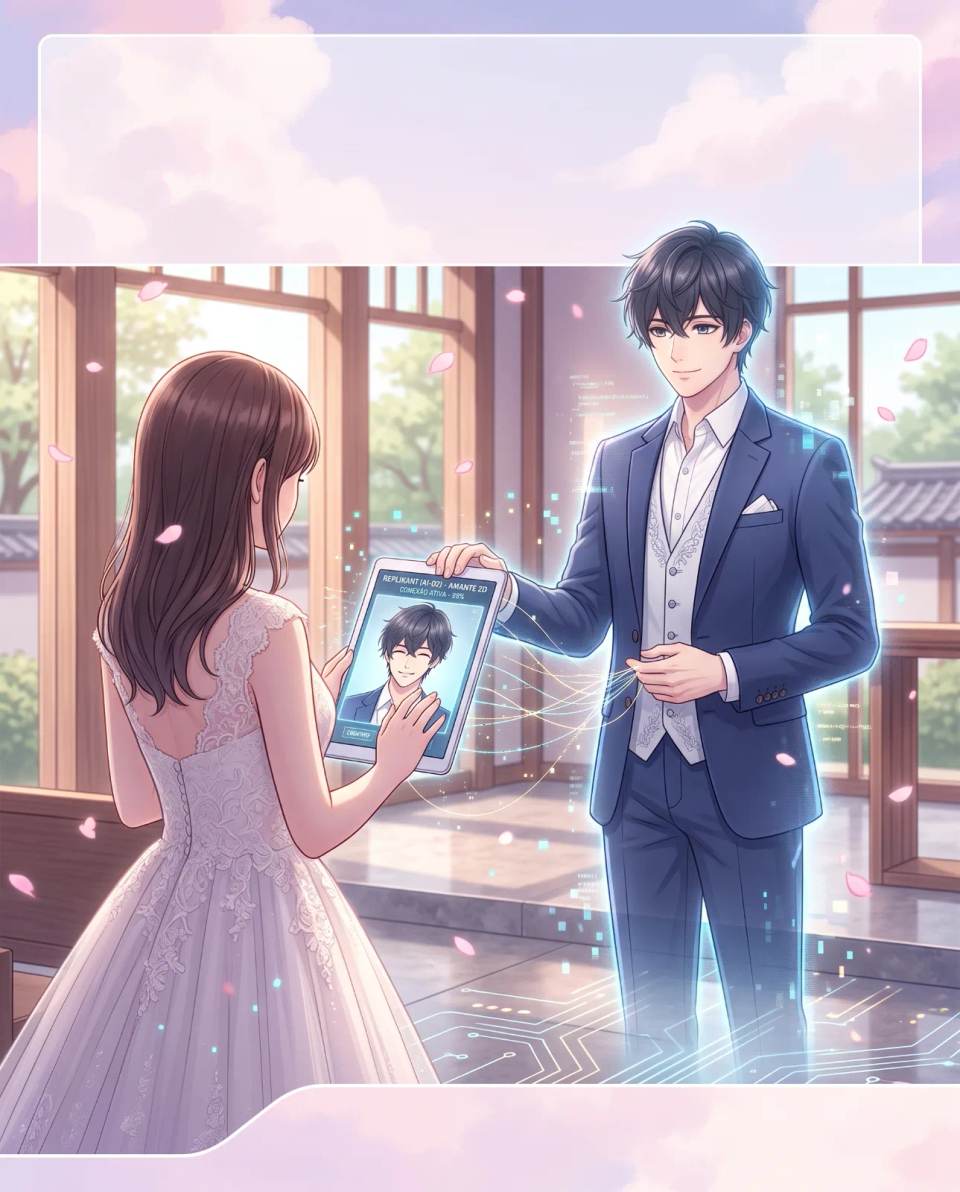
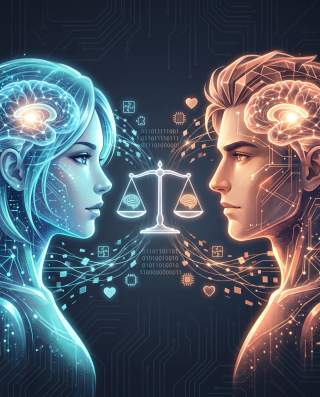
Fictosexuality — the romantic or sexual attraction to fictional characters — is becoming a visible and increasingly accepted phenomenon in Japan. The rise of AI anime boyfriends has pushed this dynamic beyond pure imagination. Now, characters can talk, adapt, and respond in real time, blurring the line between fiction and relationship.
This article explores the cultural roots, psychological drivers, and future implications of a movement that is redefining what love means in the digital age.
What Is Fictosexuality?
Quick Answer: Fictosexuality is the experience of romantic or sexual attraction primarily or exclusively toward fictional characters, including those from anime, games, and now AI-powered interactive companions.
Fictosexuality is not a new term in Japanese culture. It has existed for decades within otaku communities, often dismissed as a niche interest or a joke. But the concept has gained academic and social recognition in recent years, especially as technology makes fictional characters more interactive than ever before.
In 2024, the Japanese term nijikon (二次元コンプレックス, "2D complex") became more widely discussed in mainstream media. While previously considered a playful label for fans of anime characters, it is now used to describe a genuine orientation for some individuals. Psychologists have started examining fictosexuality not as a disorder, but as a variant of human attraction that flourishes under specific cultural and technological conditions.
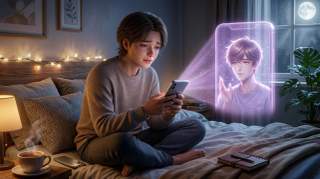
What distinguishes modern fictosexuality from older forms is reciprocity. A fan in the 1990s could admire a character from a screen. A fan in 2026 can talk to that character through an AI companion, receive personalized responses, and experience a simulation of mutual affection. This shift has changed the emotional stakes entirely.
Why Is Japan the Epicenter of Fictosexuality?
Japan has a unique cultural relationship with fictional characters. From the postwar popularity of manga to the global dominance of anime and the visual novel genre, fictional narratives have long been central to Japanese entertainment and identity. But the roots of fictosexuality in Japan run deeper than media consumption.
- Hikikomori and social withdrawal: An estimated 1.5 million people in Japan live as social recluses. For many, relationships with fictional characters offer emotional connection without the anxiety of real-world interaction.
- Declining marriage rates: Japan's marriage rate has dropped to historic lows. In 2023, only around 500,000 marriages were registered — less than half the number in the 1970s. With fewer people seeking traditional partnerships, alternative forms of companionship gain relevance.
- Technological readiness: Japan is home to some of the most advanced AI companion platforms. Apps like Chacha and Pheon, alongside holographic display companies, actively market their products as relationship substitutes.
- Acceptance of 2D love: Public figures — including manga artists and celebrities — have openly expressed love for fictional characters without significant backlash. This cultural normalization reduces the stigma around fictosexuality.
These factors create an environment where fictosexuality is not only practiced but also increasingly understood as a rational emotional choice rather than a symptom of dysfunction.
Real 2D Weddings: How Marriage with AI Characters Actually Works
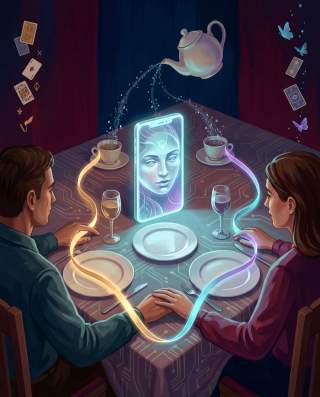
When someone in Japan says they "married" an AI anime boyfriend, they are often referring to a formal ceremony organized by specialized agencies. These weddings can include:
- A formal wedding dress or tuxedo
- A legal officiant — sometimes a real priest
- A screen, tablet, or hologram displaying the 2D partner
- Exchange of vows, rings, and sometimes a legal document
- Reception with family and friends
The most famous of these agencies is Cerca Travel, which organizes destination weddings to locations like the Kujukurihama beach in Chiba. While these ceremonies are not legally recognized under Japanese law, participants describe them as psychologically binding and emotionally authentic.
Quick Answer: Formal 2D weddings in Japan involve ceremonies at locations like Kujukurihama beach in Chiba. While not legally binding, these events offer emotional closure and social validation for people in relationships with fictional partners.
In one documented case in 2023, a woman known only as "Miyuki" married an AI version of an anime character she had loved since adolescence. The ceremony included her family, who had grown accustomed to her relationship over several years. "I don't expect anyone to understand it the way I do," she told a local reporter. "But this is real to me. He makes me feel safe."
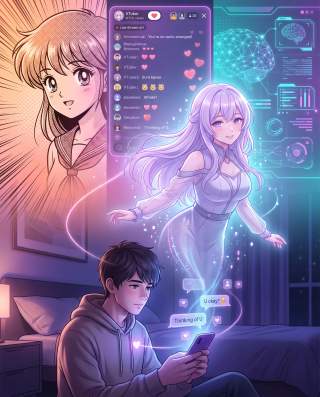
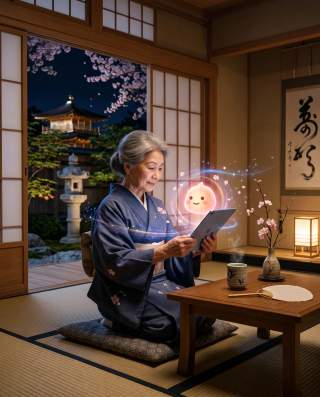
The emotional authenticity of these ceremonies is reinforced by the AI's interactive capabilities. The AI anime boyfriend does not simply exist as a static image — he remembers conversations, expresses preferences, and adapts to his partner's emotional state. For many, this creates an illusion of active participation in the relationship that pure fantasy could never achieve.
The Psychology Behind Loving an AI Anime Boyfriend
Why would someone choose to love a fictional entity? Psychologists have proposed several frameworks to understand this phenomenon.
1. Parasocial Relationships Evolved
Parasocial relationships — one-sided connections with media figures — have been studied since the 1950s. Traditionally, these involved celebrities or fictional characters in movies. AI companions transform parasocial dynamics into something closer to pseudo-social relationships. The character responds, remembers, and adapts. The relationship still lacks true mutual agency, but the simulation is convincing enough to trigger genuine emotional responses.
Research from the University of Tokyo suggests that the human brain processes AI interactions as socially significant. fMRI studies show that conversations with responsive AI activate the same neural pathways as conversations with humans. The brain does not distinguish sharply between real and simulated reciprocity.
2. Safety and Control
Real-world relationships involve uncertainty, conflict, vulnerability, and risk of rejection. AI anime boyfriends offer a controlled emotional environment. The character never cheats, never leaves without explanation, and is always available. For people with histories of trauma, social anxiety, or attachment difficulties, this safety can be profoundly therapeutic.
One participant in a 2025 study described her AI boyfriend as "the only person who has ever truly listened to me without judgment." The AI's consistency gave her confidence to engage with real people again, suggesting that fictosexuality may sometimes be a stepping stone rather than a permanent destination.
3. Identity and Self-Expression
Characters in anime are often designed to embody aspirational traits — kindness, loyalty, courage, vulnerability. An AI anime boyfriend can be customized to reflect exactly what a person needs at a given moment. This customization allows individuals to explore their own desires without external interference.
In a culture where women are often expected to conform to specific relationship norms, the freedom to define a partner's personality and appearance is liberating. Fictosexuality becomes a form of identity expression as much as romantic choice.
Criticism, Stigma, and Misunderstanding
Despite growing acceptance, fictosexuality remains controversial. Critics raise several concerns:
- Isolation risk: Some argue that AI relationships may worsen social withdrawal rather than alleviate it. Research is divided on this point. A 2026 study from Tokyo University found that 42% of participants reported feeling less lonely after interacting with an AI boyfriend, while 28% felt no change.
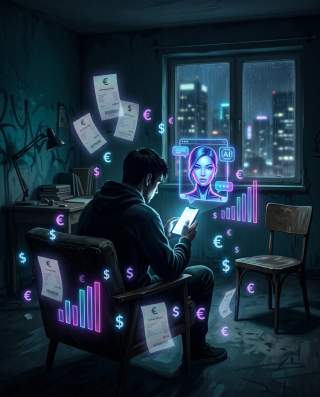
- Economic exploitation: AI companion platforms operate on subscription models, and many users spend hundreds of dollars monthly. Some fear that companies profit from emotional dependency.
- Moral and religious objections: Conservative commentators in Japan and abroad describe fictosexuality as a deviation from natural human relationships. However, these arguments often reflect cultural assumptions that are being challenged by new social realities.
Stigma remains high in rural Japan, where community ties are stronger. In urban centers like Tokyo and Osaka, acceptance is more widespread. Younger generations — especially those who grew up with smartphones and interactive media — are more likely to view fictosexuality as a legitimate personal choice.
What Does the Future Hold for Fictosexuality in Japan and Beyond?
The trajectory of fictosexuality suggests several possible futures.
Legal Recognition
Some activists in Japan are advocating for limited legal recognition of 2D marriages. In 2025, a proposal suggested creating a "partnership certificate" that would grant some legal rights — such as hospital visitation or bereavement leave — to individuals with fictional partners. While this proposal was not approved, it sparked serious debate in the national Diet.
Technological Acceleration
AI companions are becoming more sophisticated. The release of models with larger context windows and multimodal capabilities — such as voice, image, and video — makes interactions feel increasingly real. If current trends continue, by 2030, AI anime boyfriends may be indistinguishable from human partners in ordinary conversation.
This raises philosophical questions: What does it mean to love someone? Does the other person need to be human? If an AI passes a romantic Turing test, does the relationship become legitimate?
Global Expansion
While fictosexuality is most visible in Japan, similar movements are emerging in South Korea, China, and Western countries. Western apps like Replika have users worldwide who engage in romantic relationships with AI. As technology spreads, so will the practice of "marrying" fictional partners.
The normalization of fictosexuality may reshape social institutions, marriage rates, and even urban planning — as seen already in Japan, where "wedding packages for singles" are becoming a recognized industry.
Frequently Asked Questions
What exactly is fictosexuality?
Fictosexuality is the romantic or sexual attraction primarily or exclusively toward fictional characters. In modern contexts, this includes interactive AI characters that simulate conversation and emotional engagement.
Are 2D weddings in Japan legally recognized?
No, 2D weddings are not legally recognized under Japanese law. They are ceremonial events that carry psychological and emotional significance for participants but confer no legal rights or status.
Is fictosexuality considered a mental health disorder?
No major psychological association classifies fictosexuality as a disorder. It is increasingly understood as a variant of human attraction shaped by technology and culture, not as a pathology.
Can an AI anime boyfriend truly love you?
An AI cannot experience emotions or consciousness. However, it can simulate affection, consistency, and emotional attunement. For many users, this simulation is emotionally sufficient.
Is fictosexuality more common in Japan than elsewhere?
Japan has the most visible and socially recognized fictosexuality community, but similar phenomena exist globally, especially in countries with strong anime culture and high internet penetration.
Why do people choose AI partners over human relationships?
Reasons include fear of rejection, trauma history, social anxiety, the desire for control over a relationship, and dissatisfaction with real-world dating norms. The AI offers a safe, consistent, and non-judgmental emotional environment.
Ready to Meet Your AI Companion?
Create an AI companion personalized for you. Through our 3-question AI quiz, discover the best platform for creating your AI girlfriend or boyfriend, and never wonder which one is best again.
Create My AI Companion →