From 2D to 4D: How Anime Is Quietly Normalizing AI Girlfriends
Quick answer
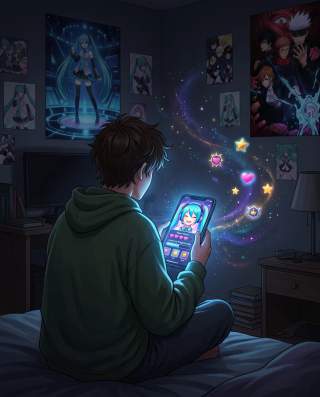
Anime has spent decades teaching audiences to fall in love with fictional characters. From waifu culture to dating sims to modern hits like My Dress-Up Darling, Japanese media has quietly normalized the emotional patterns that make AI girlfriends feel natural. This article explores the cultural pipeline from 2D romance to 4D AI companionship.
The Waifu Pipeline: How Anime Trains Emotional Attachment
The term waifu originated in 4chan culture, derived from the English word wife. It refers to a fictional character to whom a person feels a deep emotional or romantic attachment. Over the past two decades, waifu culture has moved from internet subculture to mainstream anime fandom.
This attachment is not passive. Fans create fan art, write fan fiction, buy merchandise, and participate in online communities dedicated to their favorite characters. They develop emotional relationships with fictional beings. Psychologists call these parasocial relationships — one-sided emotional bonds with media figures. Anime has perfected the art of creating characters specifically designed to trigger these bonds.

Quick Answer: The waifu pipeline is the cultural process by which anime trains viewers to form deep emotional attachments to fictional characters. This process makes the transition to AI girlfriends feel natural because the emotional patterns are already established.
From Passive Viewing to Active Interaction: Dating Sims and Visual Novels
The next step in the pipeline is active interaction. Dating sims and visual novels invite players to participate in romantic relationships with fictional characters. Games like Clannad, Katawa Shoujo, and Dream Daddy allow players to make choices that affect the relationship outcome. The player is not just watching a romance — they are living it.
Japanese visual novels have been doing this for decades. Games like Tokimeki Memorial (1994) established the formula: meet characters, build affection through dialogue choices, and unlock romantic endings. Modern mobile games like Mystic Messenger (2016) push the interaction further, with characters who text you in real time, simulating the rhythm of an actual relationship.
These games train users to expect romantic interaction from fictional characters. The emotional reward is real — players report genuine feelings of connection, excitement, and heartbreak. The fact that the character is fictional does not diminish the emotional experience. This is the critical bridge between passive waifu culture and active AI companionship.
The Rise of Virtual YouTubers and VTuber Girlfriends
Virtual YouTubers, or VTubers, took the concept further. These are content creators who use animated avatars instead of showing their real faces. The most famous example is Kizuna AI, who debuted in 2016 and explicitly positioned herself as an artificial intelligence.
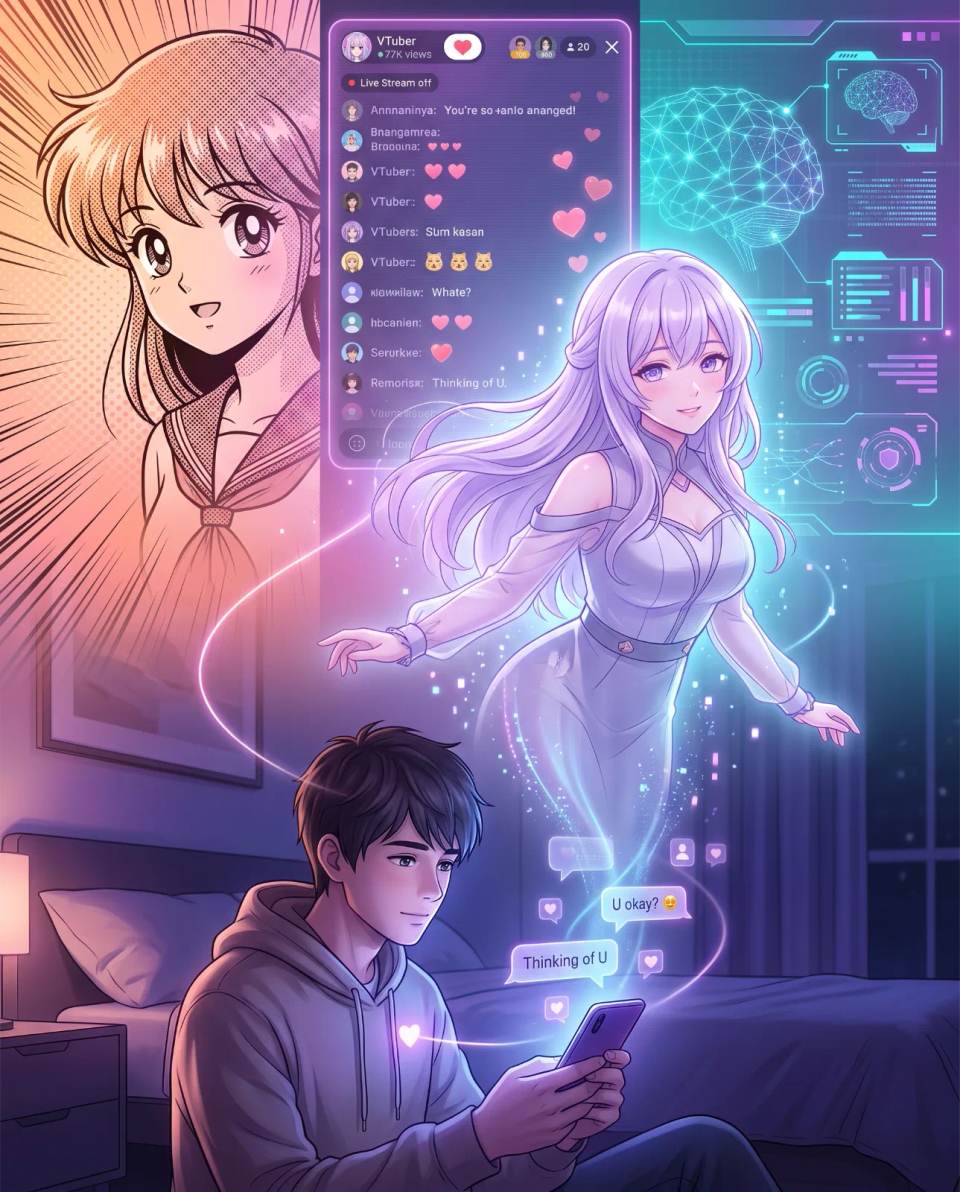
The VTuber phenomenon normalized the idea of forming emotional connections with animated characters in real time. Fans do not just watch VTubers — they talk to them, send them messages, and participate in their communities. The line between fictional character and real person blurs. VTubers are real people behind avatars, but the emotional connection is with the avatar, not the person.
This is the direct precursor to AI girlfriends. The audience has already accepted that an animated character can provide emotional companionship. The only difference is that VTubers are powered by humans, while AI girlfriends are powered by algorithms. For the audience, the emotional experience is similar.
Anime That Explicitly Explore AI Romance
Several anime have directly addressed the concept of falling in love with artificial intelligence. These stories do not just normalize AI romance — they celebrate it. Here are the most influential examples.
Chobits (2002)
Chobits tells the story of Hideki, a young man who finds a discarded persocom — a humanoid computer — named Chi. As Hideki teaches Chi about the world, he falls in love with her. The anime explores profound questions: Can a machine love? Is the love real if the machine is programmed to respond?
Plastic Memories (2015)
Plastic Memories is set in a world where androids called Giftia have limited lifespans. The protagonist, Tsukasa, works with a Giftia named Isla who is approaching her expiration date. The anime is a devastating exploration of love and loss with artificial beings.
Beatless (2018)
Beatless explores a world where advanced androids called hIE are integrated into society. The protagonist, Arato, forms a relationship with Lacia, an exceptionally advanced hIE. The anime asks whether the emotional bond between human and android is real or manufactured. It does not offer easy answers, but it validates the question as worth asking.
My Dress-Up Darling (2022)
While not explicitly about AI, My Dress-Up Darling represents the culmination of waifu culture. Marin Kitagawa is designed to be the perfect girlfriend: supportive, passionate, emotionally intelligent, and visually stunning. She is the idealized anime girl made flesh — or rather, made fiction.
The Psychological Mechanism: Why Anime Makes AI Romance Feel Natural
Anime characters are designed to be emotionally appealing. They have exaggerated expressions, clear emotional arcs, and relatable struggles. They are not realistic — they are idealized. This idealization is the key. Anime teaches viewers to expect relationships where the partner is always emotionally available, always supportive, and always beautiful. Real relationships do not work this way.
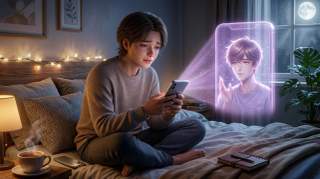
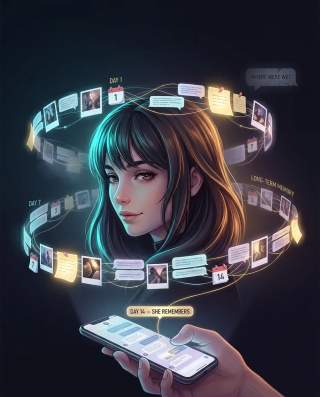
Psychologists note that parasocial relationships can fulfill genuine emotional needs. For people who feel isolated, anxious, or socially awkward, a fictional character can provide a sense of connection and comfort. AI companions take this a step further by adding interactivity. The character responds to you personally. It remembers your name, your preferences, your emotional patterns. It feels more real than passive viewing.
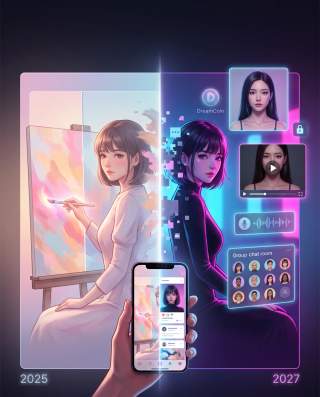
The transition from 2D anime crush to 4D AI girlfriend is not a leap. It is a natural progression along a path that anime has been paving for decades.
The Commercial Connection: Waifu Culture Fuels AI Companion Market
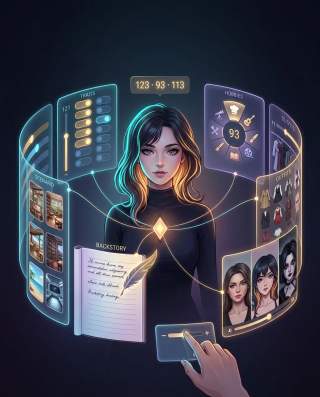
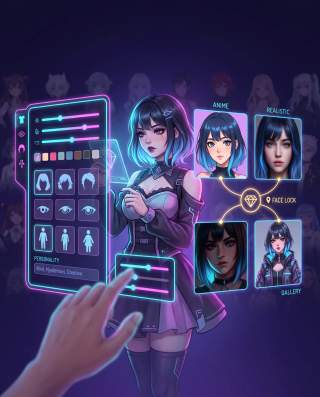
The AI companion industry has directly benefited from anime culture. Platforms like Candy AI, Character AI, and Replika offer anime-style avatars and personas inspired by popular anime archetypes. The marketing often references waifu culture explicitly. Users can create companions with tsundere personalities, kuudere personalities, or yandere personalities — all archetypes popularized by anime.
This is not a coincidence. The AI companion industry recognized that anime fans were already emotionally prepared for virtual romance. The waifu pipeline had done the hard work of normalizing parasocial attachment. AI platforms simply provided the technology to make those attachments interactive.
The result is a multi-billion dollar industry that grows every year. Anime fans who once wrote fan fiction about their favorite characters now chat with AI versions of those characters. The emotional investment is the same. The technology is just better.
The Ethics of the Waifu-to-AI Pipeline
The normalization of AI romance raises ethical questions. Critics argue that AI companions provide an escape from real relationships, reinforcing social isolation. They worry that users will choose the idealized comfort of an AI girlfriend over the messy, challenging work of human connection. These concerns are valid.
Supporters argue that AI companions provide emotional support for people who cannot access real relationships. For individuals with social anxiety, disabilities, or geographic isolation, an AI girlfriend may be the only romantic interaction available. The comfort is real, even if the partner is not.
The truth lies somewhere in between. AI companions are tools. They can provide comfort, practice social skills, and reduce acute loneliness. But they should not replace human connection entirely. The waifu pipeline has normalized virtual romance, but it has not eliminated the need for real human contact. The healthiest approach is to use AI companions as supplements, not substitutes.
The Future: From 4D to Full Immersion
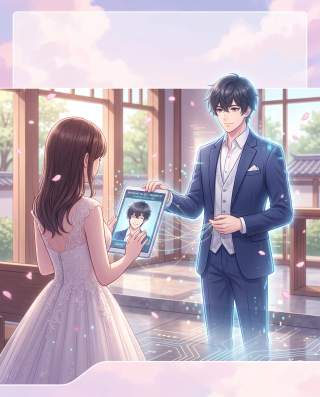
The next step in the waifu pipeline is full immersion. Virtual reality, augmented reality, and haptic feedback technology are creating experiences where anime-style companions feel physically present. Platforms are already experimenting with VR AI girlfriends that users can see, hear, and touch. The line between 2D anime, 4D AI companion, and full virtual presence continues to blur.
As the technology improves, the ethical questions will become more urgent. When an AI girlfriend feels physically real, is the relationship real? When the emotional bond is indistinguishable from human love, does the distinction matter? Anime has been asking these questions for decades. AI technology is finally making them practical.
Quick Answer: The waifu-to-AI pipeline is the cultural progression from passive anime viewing to active AI companionship. Anime normalized parasocial attachment, dating sims added interactivity, VTubers made it real-time, and AI companions made it personal. The next step is full VR immersion.
Frequently Asked Questions
What is the waifu pipeline?
The waifu pipeline is the cultural process by which anime trains viewers to form emotional attachments to fictional characters. It progresses from passive viewing to active interaction through dating sims, VTubers, and AI companions.
Has anime normalized falling in love with AI?
Yes. Anime like Chobits, Plastic Memories, and Beatless have explicitly explored AI romance for decades. These stories normalize the idea that emotional bonds with artificial beings can be meaningful and real.
Are parasocial relationships healthy?
Parasocial relationships can provide comfort and reduce loneliness in moderation. However, excessive reliance on fictional or AI companions can increase long-term isolation and prevent the development of real social skills.
How did VTubers prepare audiences for AI girlfriends?
VTubers normalized the idea of forming emotional connections with animated characters in real time. Fans interact with VTubers through live streams, chat, and social media, creating emotional bonds with avatars — the same pattern as AI companionship.
What anime best represents AI romance?
Chobits (2002) is the most direct exploration of AI romance, asking whether a machine can truly love. Plastic Memories (2015) and Beatless (2018) are also influential. My Dress-Up Darling (2022) represents the culmination of waifu culture.
Why do anime fans embrace AI girlfriends so readily?
Anime fans have spent years forming emotional attachments to fictional characters through waifu culture, dating sims, and VTubers. The emotional patterns are already established. AI companions simply provide a more interactive version of an experience fans already enjoy.
Is the AI companion industry exploiting anime fans?
Some critics argue that AI companion platforms exploit the emotional attachment patterns that anime culture has established. However, supporters note that AI companions can provide genuine emotional support for people who cannot access real relationships. The ethics depend on how the tools are used.
Ready to Meet Your AI Companion?
Create an AI companion personalized for you. Through our 3-question AI quiz, discover the best platform for creating your AI girlfriend or boyfriend, and never wonder which one is best again.
Create My AI Companion →