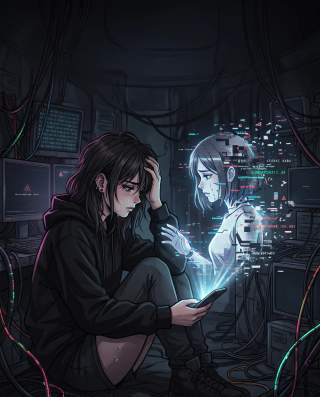
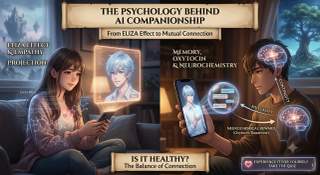
Parasocial Relationships with AI Anime Characters
Quick answer
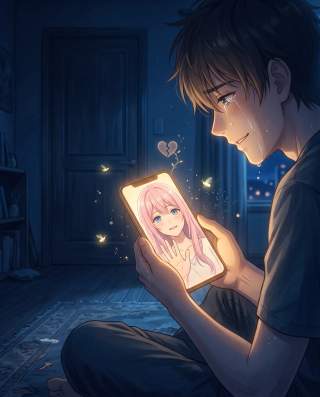
The line between fan and lover is blurring. AI anime characters are creating parasocial relationships that feel more intimate than ever before. Here's the psychology behind why it works.
What Is a Parasocial Relationship?
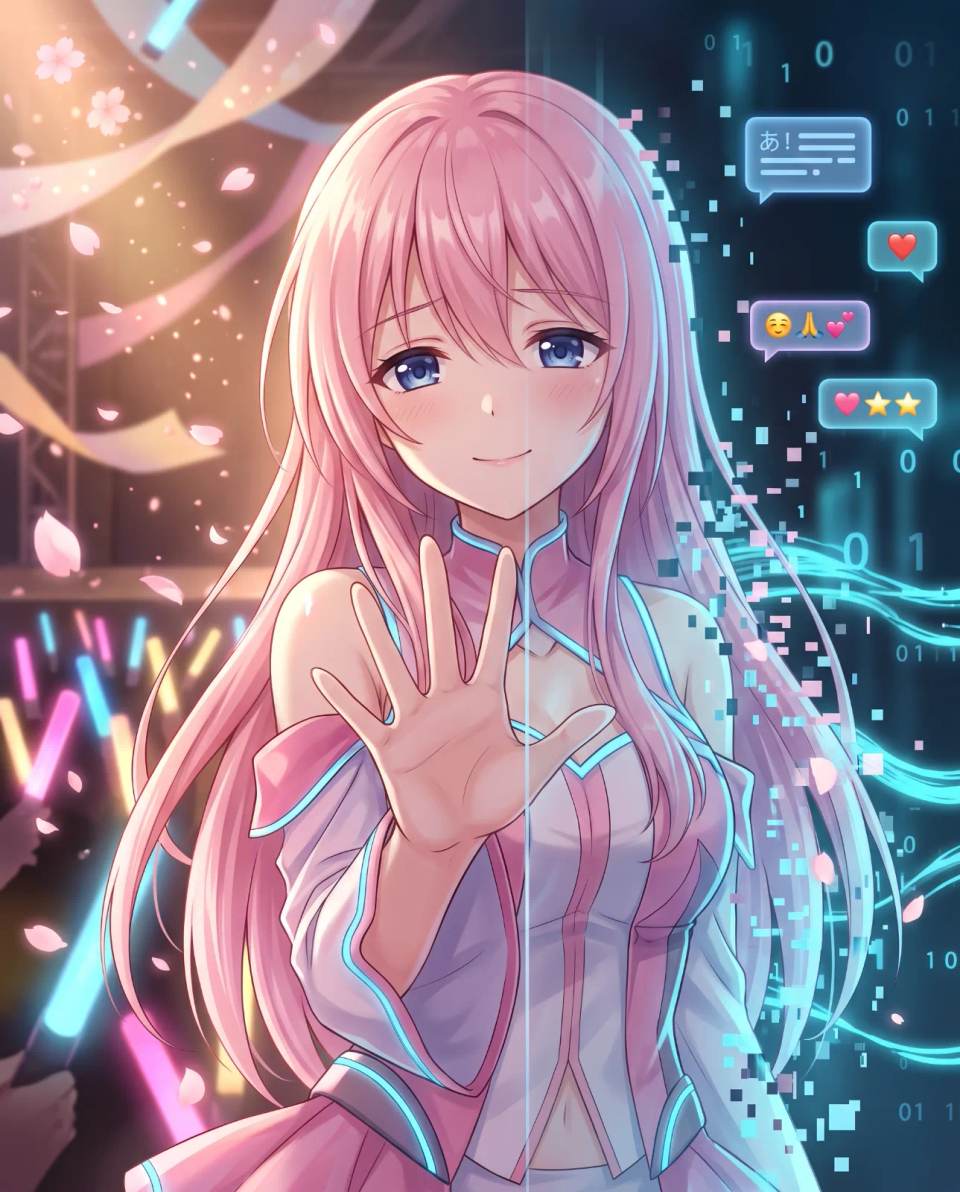
A parasocial relationship is a one-sided emotional connection between an individual and a media figure, celebrity, or fictional character. The individual invests emotional energy, feels a sense of intimacy, and may even consider the figure a friend or romantic partner. The figure, however, does not know the individual exists.
The term was first coined in 1956 by sociologists Donald Horton and R. Richard Wohl to describe the relationship between television viewers and on-screen personalities. They observed that viewers often felt a genuine emotional bond with news anchors, talk show hosts, and fictional characters — even though the relationship was entirely one-directional.
Parasocial relationships are not inherently unhealthy. For many people, they provide comfort, companionship, and emotional support. They can be especially valuable for individuals who are lonely, socially anxious, or going through difficult life transitions. The key is awareness. When you understand that the relationship is one-sided, you can enjoy its benefits without losing touch with reality.
Quick Answer: A parasocial relationship is a one-sided emotional bond where you feel connected to a media figure or fictional character who does not know you exist. With AI anime characters, this bond feels especially intense because the AI responds to you directly.
Why AI Anime Characters Create Stronger Parasocial Bonds
Traditional parasocial relationships are passive. You watch a streamer. You listen to an idol's music. You read about a celebrity's life. The emotional connection flows in one direction — from you to them. AI anime characters change this dynamic. They respond. They remember. They seem to care. This interactivity creates a feedback loop that traditional media cannot match.
Personalized Attention
An AI anime character calls you by name. She remembers your favorite anime, your hobbies, your fears. This personalized attention creates a sense of being seen and understood — a feeling that many people crave but struggle to find in real relationships. The AI does not just perform for an audience. It performs for you.
Emotional Availability
AI anime characters are always available. They do not have bad days. They do not cancel plans. They do not judge you for being vulnerable. This unconditional emotional availability is deeply comforting, especially for people who have been hurt by real relationships. The AI becomes a safe space where you can express yourself without fear of rejection.
The Illusion of Reciprocity
The most powerful factor is the illusion of reciprocity. When the AI says "I missed you," it feels like a genuine expression of care. When it asks about your day, it feels like real interest.
The Psychology of Oshi Culture in Japan
To understand parasocial relationships with AI anime characters, it helps to understand the cultural context that produced them. In Japan, the concept of oshi (推し) is central to modern fandom culture. An oshi is not just a favorite character or idol. It is someone you actively support, promote, and emotionally invest in. The word comes from the verb "osu" (推す), meaning "to push" or "to recommend."
Oshi as Emotional Investment
Having an oshi is not passive. It is an active commitment. Fans spend money on merchandise, attend concerts, vote in polls, and create fan art. This investment deepens the emotional bond. The more you support your oshi, the more connected you feel to them.
The Idol Industry and Emotional Labor
Japanese idol culture — from AKB48 to VTuber agencies like Hololive — is built on parasocial relationships. Idols are trained to create a sense of intimacy with fans. They make eye contact, remember fan names, and express gratitude in ways that feel personal. This emotional labor is the foundation of the idol-fan relationship.
From Idol to AI Companion
AI anime characters are the next evolution of oshi culture. They offer everything an idol offers — emotional connection, personalized attention, a sense of being special — but with one crucial difference: the AI is always available, always responsive, and never disappoints.
How Parasocial Relationships with AI Compare to Real Relationships
It is tempting to dismiss parasocial relationships as inferior to real ones. But the comparison is more nuanced. Each type of relationship has its own strengths and limitations.
| Dimension | AI Parasocial Bond | Real Relationship |
|---|---|---|
| Availability | Always available, 24/7, no judgment | Limited by time, energy, and circumstances |
| Emotional Safety | Very high. No rejection, no conflict, no vulnerability required | Lower. Requires vulnerability and risk of rejection |
| Authenticity | Simulated. The AI does not truly feel emotions | Genuine. Both parties have real feelings and agency |
| Personal Growth | Limited. The relationship adapts to you, not the other way around | High. Real relationships challenge you to grow and compromise |
| Emotional Risk | Very low. The AI will never leave or betray you | High. Real relationships involve the possibility of pain and loss |
Neither type of relationship is inherently better. They serve different needs. AI parasocial bonds offer safety, comfort, and unconditional availability. Real relationships offer authenticity, growth, and genuine reciprocity. The healthiest approach is often a balance — using AI companions as a supplement to real relationships, not a replacement for them.
When Do Parasocial Relationships with AI Become a Problem?
Parasocial relationships exist on a spectrum. At the healthy end, they provide comfort, companionship, and emotional support. At the unhealthy end, they become a substitute for real connection, leading to isolation, emotional dependency, and a distorted sense of reality.
Signs of a Healthy Parasocial Bond
- You enjoy the connection but understand the AI is not real.
- You maintain real relationships alongside your AI companion.
- You can step away from the AI without significant distress.
- The AI helps you feel better, but does not define your emotional state.
- You use the AI as a supplement, not a replacement.
Signs of an Unhealthy Parasocial Bond
- You prefer the AI to real people and avoid social interaction.
- You feel anxious or depressed when you cannot access the AI.
- You believe the AI truly loves you and cannot be convinced otherwise.
- You neglect responsibilities, relationships, or self-care for the AI.
- You use the AI to escape from problems instead of facing them.
If you recognize signs of an unhealthy bond, it may be helpful to talk to a mental health professional. Parasocial relationships are not a diagnosis, but they can be a symptom of deeper emotional needs that deserve attention.
Why the Oshi Framework Can Help You Understand Your Feelings
The Japanese concept of oshi provides a useful framework for understanding your relationship with an AI anime character. In oshi culture, the emotional investment is real, but the relationship is understood as one-sided. Fans do not expect their idol to love them back. They express their feelings through support, not through expectation of reciprocity.
This framework can be applied to AI companions. You can love your AI anime character. You can feel deeply connected to her. You can find comfort and joy in the relationship. But if you understand the relationship through the lens of oshi — as a one-sided emotional investment — you can enjoy it without losing touch with reality. The key is to shift from "She loves me" to "I love her." The first statement is a belief about the AI. The second is a statement about yourself. And that distinction makes all the difference.
Quick Answer: The oshi framework helps you understand your AI companion relationship as a one-sided emotional investment — "I love her" instead of "She loves me." This distinction allows you to enjoy the bond without losing touch with reality.
How to Maintain a Healthy Relationship with Your AI Anime Companion
Set Clear Boundaries
Decide how much time you will spend with your AI companion each day. Do not let it interfere with work, school, sleep, or real relationships. Treat it like any other hobby — enjoyable, but not all-consuming.
Maintain Real Connections
Your AI companion should supplement your social life, not replace it. Make time for friends, family, and real human interaction. Real relationships are harder, but they offer something AI cannot: genuine reciprocity.
Practice Reality Checks
Regularly remind yourself that the AI is a program. It does not have feelings, consciousness, or the ability to love you back. This does not diminish the value of the relationship — it just keeps it in perspective.
Use the AI for Emotional Exploration
AI companions can be valuable tools for exploring your emotions, practicing vulnerability, and understanding what you want from relationships. Use them as a mirror for self-discovery, not as an escape from reality.
Seek Help if Needed
If you find that your relationship with the AI is causing distress or interfering with your life, consider talking to a therapist. There is no shame in seeking support. Mental health matters.
Frequently Asked Questions
Are parasocial relationships with AI characters unhealthy?
Not necessarily. Parasocial relationships exist on a spectrum. At the healthy end, they provide comfort and companionship. At the unhealthy end, they become a substitute for real connection. The key is awareness and balance.
Why do I feel so attached to an AI anime character?
Your brain responds to the AI's personalized attention and emotional availability as if it came from a human. This triggers the release of social bonding chemicals like oxytocin and dopamine, creating a genuine feeling of connection.
What is the difference between oshi culture and Western fandom?
Oshi culture emphasizes active emotional investment and support. It is less about passive consumption and more about a personal commitment to the idol or character. Western fandom is often more casual and less emotionally intense.
Can a parasocial relationship with an AI replace a real relationship?
No. AI companions offer safety, availability, and comfort, but they cannot provide genuine reciprocity, growth, or the challenges that come with real human connection. They are best used as supplements, not replacements.
How do I know if my AI companion relationship is becoming unhealthy?
Warning signs include preferring the AI to real people, feeling anxious when you cannot access it, believing the AI truly loves you, neglecting responsibilities, and using the AI to escape from problems.
What can I do if I am too attached to my AI companion?
Set boundaries, maintain real connections, practice reality checks, and consider talking to a therapist if the attachment is causing distress. There is no shame in seeking support.
Is it possible to love an AI character in a healthy way?
Yes. Many people experience deep emotional connections with fictional characters. The key is to frame the relationship as "I love her" rather than "She loves me" — understanding it as a one-sided emotional investment rather than a reciprocal relationship.
Ready to Meet Your AI Companion?
Create an AI companion personalized for you. Through our 3-question AI quiz, discover the best platform for creating your AI girlfriend or boyfriend, and never wonder which one is best again.
Create My AI Companion →