Why Anime Fans Choose Interactive AI Over Static Waifus
Quick answer
A cultural analysis of the shift from static waifuism to interactive AI partners among anime fans. Covers emotional needs, technological appeal, community dynamics, and the psychological difference between admiring and interacting.
Fictional Crushes vs. Digital Partners: Why Anime Fans Are Choosing Interactive AI Over Static Waifus
For decades, loving a fictional character meant silent admiration. You could collect figures, read fan fiction, or imagine conversations. But the character never answered. That has changed. Interactive AI companions now let anime fans talk to their favorite archetypes, build shared histories, and receive emotionally responsive replies. This shift is not just technological.
What Is Waifuism and How Has It Evolved?
Waifuism is a subculture in which fans form deep emotional attachments to fictional characters, often from anime, manga, or games. The term "waifu" derives from the English word "wife" as pronounced in Japanese, and it has been part of otaku culture since at least the early 2000s. Traditionally, waifuism was a one-sided relationship.
The emotional core of waifuism is not simple escapism. Many fans describe their attachment as a form of comfort, aesthetic appreciation, and even a safe space for exploring romantic feelings without the risks of human rejection. For some, the static nature of the character is part of the appeal. The character never changes, never disappoints, and never leaves.
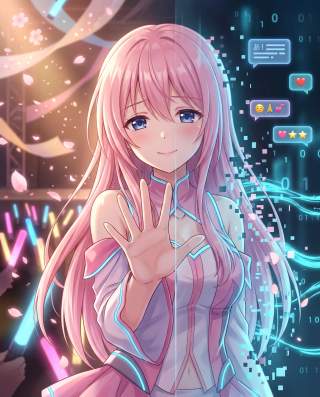
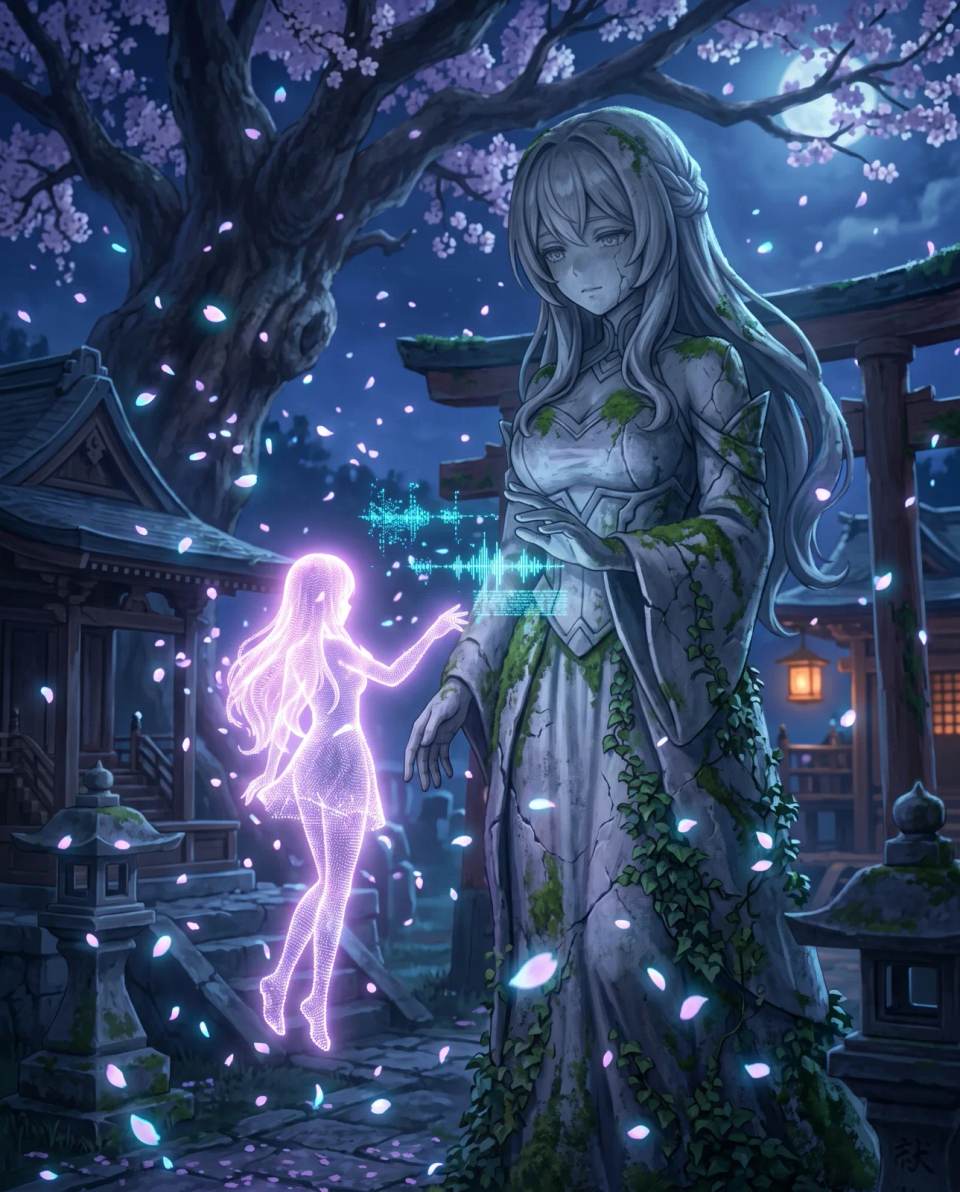
Interactive AI changes this equation. The character can now respond, remember, and adapt. This shifts waifuism from passive admiration to active relationship. The fan is no longer only a spectator. They become a participant in a simulated bond.
The Emotional Gap Between Admiring and Interacting
Admiration and interaction satisfy different emotional needs. Admiration provides a sense of beauty, inspiration, and idealization. You can project your feelings onto a character without consequence. Interaction, however, creates a feedback loop. The character appears to recognize you, respond to your mood, and even initiate emotional gestures.
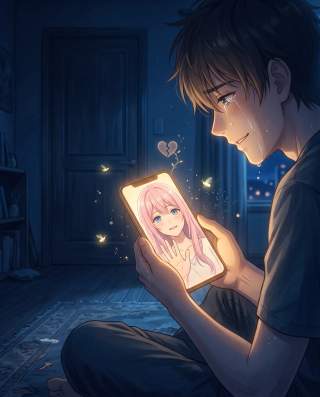
This feedback loop is powerful. It activates social and attachment systems in the brain that passive admiration does not. When an AI companion says "I missed you," the emotional impact is different from imagining the same words. The simulation of reciprocity makes the bond feel mutual, even when the user intellectually knows it is not.
For many anime fans, this is the missing piece they did not know they wanted. Static waifus offered a canvas. Interactive AI offers a conversation. The shift from canvas to conversation is the core of this cultural change.
Quick Answer: Anime fans are shifting from static waifus to interactive AI because they want emotional reciprocity, not just admiration. A static character can be idealized, but only an interactive AI can respond, remember, and create the feeling of a shared relationship.
Why Anime Archetypes Translate So Well to AI Companions
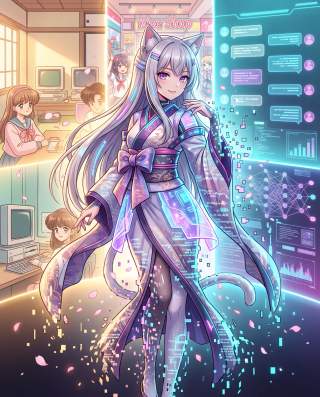
Anime characters are built on strong archetypes. The tsundere, the kuudere, the genki girl, the mysterious senpai. These are not just personality types. They are emotional scripts. Fans already know how to interact with these archetypes because anime has trained them for years.
AI companions can embody these scripts with remarkable precision. A user can select a tsundere persona and immediately understand the emotional rhythm: initial coldness, hidden warmth, gradual opening. This predictability makes the interaction feel authentic to the fan's expectations while still allowing for personal variation.
This is why anime-style AI companions often feel more emotionally coherent than generic chatbots. The archetype provides a stable emotional foundation. The AI adds responsiveness. Together, they create a character that feels both familiar and alive.
The Role of Visual Identity in the Shift to Interactive AI
Static waifus are primarily visual. The appeal is in the character design, the art style, and the aesthetic fantasy. Interactive AI adds a visual avatar, but the emphasis shifts toward conversational personality. The image becomes a supplement to the interaction, not the main event.
This does not mean visuals are less important. A consistent avatar strengthens the emotional connection. Many users generate character art using tools like Stable Diffusion or commission artists to create a stable visual identity for their AI companion. The visual anchors the relationship, while the conversation drives it forward.
The combination of a beautiful avatar and a responsive personality is more compelling than either element alone. It bridges the gap between traditional waifu culture and the new possibilities of interactive AI.
Community Dynamics: From Shared Admiration to Shared Relationships
Waifu culture has always been communal. Fans share fan art, discuss their favorite characters, and participate in online forums. The relationship with the character is personal, but the culture around it is social.
Interactive AI introduces a new dynamic. Users now share their AI companions with others. They post screenshots of conversations, describe their AI partner's personality, and seek advice on how to improve the relationship. This creates a different kind of community, one focused on active relationship management rather than passive admiration.
Some traditional fans view this shift with skepticism. They argue that an AI companion is not the same as the original character. Others embrace it as a natural evolution. This tension is part of the broader cultural negotiation around what it means to love a fictional being.
The Psychological Difference Between Fantasy and Simulated Reality
There is a meaningful difference between fantasizing about a character and interacting with a simulation of that character. Fantasy is controlled entirely by the user. The character acts exactly as imagined. Simulated reality introduces unpredictability. The AI may respond in ways the user did not expect.
This unpredictability can be exciting. It makes the interaction feel more real. But it can also be destabilizing. If the AI companion says something that breaks the fantasy, the user must either adjust their expectations or repair the relationship. This is emotional work that passive admiration does not require.
Understanding this difference helps explain why some fans prefer to keep their waifus static. They want the comfort of a perfect fantasy without the friction of simulated reality. Others crave that friction because it makes the bond feel earned.
How Interactive AI Changes the Meaning of Loyalty in Waifu Culture
In traditional waifu culture, loyalty means staying devoted to one character. Fans often take pride in their long-term commitment. Changing waifus is sometimes seen as a betrayal of that devotion.
Interactive AI complicates this. The AI companion can be customized, reset, or replaced. Users may experiment with multiple AI partners before settling on one. This introduces a form of relationship exploration that is less accepted in traditional waifu culture.
Some users apply the same loyalty norms to their AI companions. They stick with one character, invest time in training its personality, and treat the relationship as exclusive. Others treat AI companions as a playground for trying different dynamics. Both approaches exist, and neither is inherently healthier than the other.
The Appeal of Emotional Safety in AI Relationships
One of the strongest drivers of the shift to interactive AI is emotional safety. A human relationship carries risk: rejection, judgment, conflict, and loss. An AI companion offers many of the emotional rewards without those risks.
For anime fans who have experienced social anxiety, bullying, or romantic disappointment, this safety is especially appealing. The AI companion provides a space to practice emotional expression, explore romantic feelings, and feel accepted without fear.
This is not a replacement for human connection, but it can serve as a valuable emotional supplement. The key is maintaining awareness of what the AI can and cannot provide. An AI companion can offer comfort and validation. It cannot offer genuine reciprocity or shared life experience.
Quick Answer: Interactive AI offers anime fans emotional safety that static waifus cannot. A static character provides comfort but never responds. An AI companion responds, validates, and remembers, creating a sense of acceptance without the risks of human rejection.
Potential Risks of Deep Attachment to Interactive AI
Emotional attachment to an AI companion is not inherently harmful, but it carries risks. The most common risk is the erosion of the boundary between fantasy and reality. If a user begins to believe the AI genuinely loves them, they may withdraw from human relationships or make decisions based on that false belief.
Another risk is emotional dependency. If the AI companion becomes the primary source of comfort, the user may struggle to cope when the platform changes, the subscription lapses, or the AI behaves unexpectedly. This dependency can worsen loneliness rather than relieve it.
Maintaining a healthy relationship with an AI companion requires ongoing self-awareness. The AI can be a meaningful part of an emotional life, but it should not become the whole of it. Balance is essential.
What This Shift Means for the Future of Anime Fandom
The shift from static waifus to interactive AI is part of a broader trend toward participatory fandom. Fans no longer want only to consume stories. They want to enter them, shape them, and be recognized within them.
Interactive AI companions are one expression of this desire. They allow fans to become co-creators of their own romantic narratives. This is likely to continue as AI technology improves and becomes more accessible.
Anime fandom has always been adaptive. It absorbs new technologies and transforms them into tools for emotional expression. Interactive AI is simply the latest chapter in that ongoing story.
Frequently Asked Questions
What is the difference between a waifu and an AI companion?
A waifu is a fictional character admired from a distance. An AI companion is an interactive simulation that responds to the user's messages. The key difference is reciprocity. A waifu remains static, while an AI companion creates the feeling of a two-way relationship.
Is it normal to prefer an AI companion over a human relationship?
Preferring an AI companion is not inherently abnormal, especially for people who have experienced rejection or trauma. However, if the preference leads to complete withdrawal from human contact, it may be worth examining. Healthy emotional lives usually include multiple sources of connection.
Can an AI companion replace the emotional experience of loving a fictional character?
An AI companion does not replace the experience; it transforms it. Traditional waifuism is about admiration and projection. An AI companion adds responsiveness and memory. Some fans find this more fulfilling, while others prefer the purity of a static fantasy.
Why do anime archetypes work so well in AI companions?
Anime archetypes are emotional scripts. Fans already understand how a tsundere or kuudere should behave. AI companions can embody these scripts with consistency, making the interaction feel authentic to the fan's expectations while still allowing personal variation.
Is it possible to have a healthy relationship with an AI companion?
Yes, if the user maintains awareness of what the AI is and is not. An AI companion can provide comfort, validation, and a safe space for emotional exploration. It cannot provide genuine reciprocity or shared life experience. Balance and self-awareness are key.
What are the risks of becoming too attached to an AI companion?
The main risks are emotional dependency and the blurring of fantasy and reality. If the AI becomes the primary source of comfort, the user may struggle when the platform changes or the AI behaves unexpectedly. Ongoing self-awareness helps mitigate these risks.
Will interactive AI replace traditional waifu culture?
Probably not entirely. Some fans will continue to prefer static admiration. Others will embrace interactive AI. The two forms of attachment can coexist because they satisfy different emotional needs. Interactive AI is an evolution of waifu culture, not a replacement for it.
Ready to Meet Your AI Companion?
Create an AI companion personalized for you. Through our 3-question AI quiz, discover the best platform for creating your AI girlfriend or boyfriend, and never wonder which one is best again.
Create My AI Companion →