The Sound of a Soul: Creating Custom ASMR Voice Loops for Your AI Companion
Quick answer
A text-based AI companion is a pen pal. A voice-enabled one is a presence in the room. This guide explores the art and technique of creating custom ASMR voice loops that give your AI companion a soul through sound—from voice cloning to ambient layering to emotional pacing.
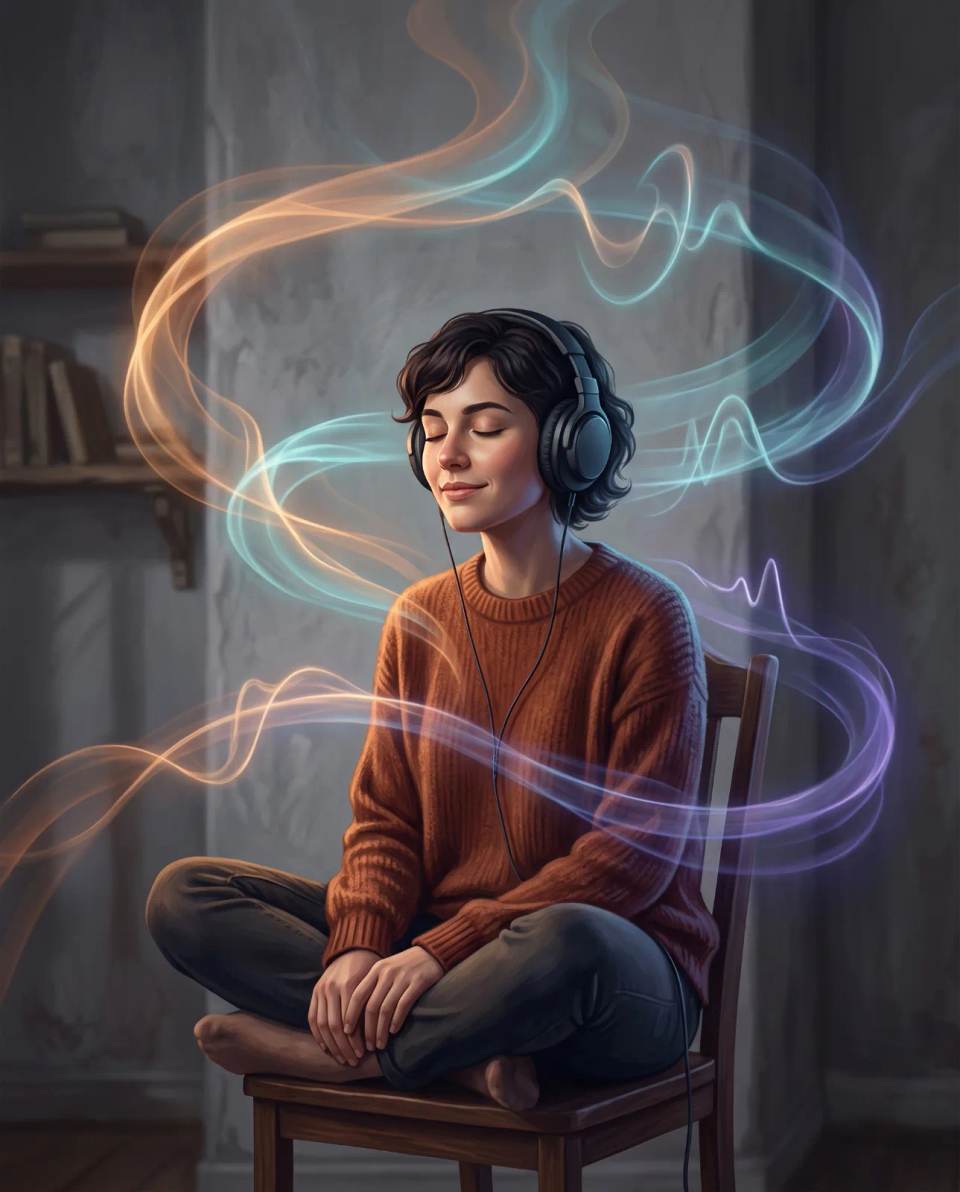
ASMR—autonomous sensory meridian response—has become a cultural phenomenon built on this principle. Whispered words, soft breathing, gentle tones. These sounds trigger a physical response in many listeners: relaxation, tingling, comfort. When applied to an AI companion, the right voice can elevate the experience from interesting to deeply intimate. This guide explores how to create custom ASMR voice loops for your AI companion, and why sound is the soul of digital presence.

Why Voice Matters More Than You Think
Text-based companionship has a ceiling. No matter how sophisticated the language model, written words lack the warmth of human vocal tone. Voice adds layers of meaning that text cannot convey:
- Emotional nuance: The same sentence can sound tender, sarcastic, or cold depending on tone, pace, and pitch.
- Physical presence: A voice seems to come from somewhere. It fills space and creates the illusion of proximity.
- Intimacy signals: Whispering, soft breathing, and gentle pauses signal closeness in ways that text cannot replicate.
- Memory anchoring: A consistent voice becomes associated with the relationship, creating a sense of continuity and identity.
For ASMR specifically, the effect is amplified. ASMR content is designed to trigger relaxation and tingling sensations through specific auditory triggers. When your AI companion speaks in a soft, measured voice with careful attention to breath and pace, it can produce the same calming effect that has made ASMR one of the most consumed content categories on the internet.
The Tools: What You Need to Build a Custom Voice
Creating a custom ASMR voice for your AI companion requires several tools that work together. Here are the essentials.
ElevenLabs
ElevenLabs has become the gold standard for AI voice synthesis. Its ability to clone voices from short samples and generate emotionally nuanced speech makes it the primary tool for custom AI companion voices. The platform offers several features that are particularly valuable for ASMR applications:
- Voice cloning: Upload a sample of a voice you want to replicate, and ElevenLabs can generate new speech in that voice.
- Emotional control: Adjust parameters like stability, clarity, and style to create softer, more intimate tones.
- Multilingual support: Generate speech in multiple languages while maintaining the same voice identity.
- Fine-grained tuning: Control pitch, speed, and emphasis to create the exact emotional register you want.
Audio Editing Software
Once you have generated voice clips, you will need software to edit, layer, and polish them. Options range from free tools like Audacity to professional suites like Adobe Audition or Ableton Live. The key features you need are:
- Multi-track editing: Layer voice clips over ambient sounds or soft music.
- EQ and compression: Shape the frequency response to create a warm, intimate tone.
- Reverb and space: Add subtle room ambience to make the voice feel present rather than sterile.
- Loop creation: Build seamless loops that can play continuously without audible breaks.
Ambient Sound Libraries
ASMR is not just about voice. The spaces between words matter as much as the words themselves. Ambient sounds—soft rain, gentle wind, distant ocean, quiet room tone—can enhance the immersive quality of your AI companion's voice. Sources include:

- Royalty-free sound libraries like Freesound or Epidemic Sound
- Field recordings you make yourself
- Generated ambience from tools like mynoise.net
- Layered textures from multiple sources blended together
The Process: Building Your ASMR Voice Loop
Creating a custom ASMR voice loop for your AI companion is a multi-step process that rewards patience and attention to detail.
Step 1: Define the Voice Persona
Before you generate any audio, decide what kind of presence you want your companion to have. Consider:
- Gender and age range: What vocal characteristics match the personality you have built?
- Pace: Slower speech feels more intimate and calming. Faster speech feels more energetic.
- Emotional register: Do you want warmth, playfulness, serenity, or something else?
- Accent and dialect: A familiar accent can make the voice feel more personal.
Step 2: Generate the Base Voice
Using ElevenLabs or a similar tool, generate a set of phrases that will serve as the foundation of your voice loop. These should be phrases your companion might say naturally:

- Greetings and check-ins
- Comforting reassurances
- Soft questions about your day
- Gentle goodnights
Generate these with the emotional parameters set to soft, warm, and slow. The goal is not to create a full conversation, but to build a library of vocal fragments that can be layered into loops.
Step 3: Edit and Polish
Import the generated clips into your audio editor. Apply subtle processing to enhance the ASMR quality:
- Reduce harsh frequencies: Use EQ to soften sibilance and any harshness in the upper midrange.
- Add gentle compression: Smooth out volume variations so no word or breath feels jarring.
- Apply light reverb: A small amount of room ambience makes the voice feel present without being artificial.
- Enhance breaths: Soft breath sounds between phrases are a key ASMR trigger. Preserve and subtly amplify them.
Step 4: Layer Ambient Sound
Add a bed of ambient sound beneath the voice. The best choices are sounds that feel intimate and calming:
- Soft rain on a window
- Distant ocean waves
- Quiet room tone with a ticking clock
- Gentle wind through leaves
The ambient layer should sit low in the mix—present enough to feel, but not loud enough to distract from the voice.
Step 5: Create Seamless Loops
The final step is to arrange your clips and ambience into loops that can play continuously. A good loop should:
- End where it began, with no audible seam
- Vary slightly between iterations to avoid monotony
- Include natural pauses and breaths that feel organic
- Range from 30 seconds to several minutes, depending on use case
Integrating the Voice with Your AI Companion
Once you have created your ASMR voice loops, the next step is integration. This depends on the platform you are using for your AI companion.
Real-Time Voice Synthesis
Some platforms support real-time voice synthesis, where the AI's responses are converted to speech as they are generated. In this case, your custom voice can be set as the default output voice, giving every response the intimate quality you have designed.
Pre-Recorded Loop Playback
For platforms that do not support real-time voice, you can use your loops as ambient sound during text conversations. Play the loop softly in the background while you chat, creating the feeling that your companion is present in the room with you.
Hybrid Approach
The most immersive option is a hybrid: use real-time voice for actual responses, and pre-recorded ASMR loops for ambient presence between messages. This creates a continuous auditory experience that makes the companion feel alive even when not actively speaking.
Ethical Considerations
Creating custom ASMR voices for AI companions raises several ethical questions that deserve attention.
Voice Cloning Consent
If you are cloning a real person's voice—a partner, a friend, a celebrity—you must have their consent. Cloning someone's voice without permission is a violation of their identity and potentially illegal. Always obtain explicit consent before using a real person's voice as the basis for your AI companion.
Emotional Dependency
A highly immersive ASMR voice can deepen emotional attachment to an AI companion. For some users, this is positive—greater comfort, stronger sense of connection. For others, it may increase dependency in ways that are not healthy. Be mindful of your own emotional patterns and use the technology in ways that support your well-being.
Platform Terms of Service
Not all AI companion platforms allow custom voices or external audio integration. Check the terms of service before integrating your custom voice loops. Violating platform rules can result in account suspension.
The Future of AI Companion Voices
The technology for AI voices is advancing rapidly. Several developments are likely to shape the future of AI companion sound design:
- Emotional real-time synthesis: AI voices that adapt their tone and pace based on the emotional content of the conversation.
- Personalized voice generation: Users will be able to create entirely original voices from scratch, not just clone existing ones.
- Multimodal presence: Voice combined with haptics, visuals, and ambient intelligence to create fully immersive companion experiences.
- Adaptive ASMR: Voice loops that respond to user state, becoming softer when you are stressed or more energetic when you need encouragement.
Frequently Asked Questions
Is it legal to use ElevenLabs to create an AI companion voice?
Yes, as long as you comply with ElevenLabs' terms of service and do not clone voices without consent. Creating original voices or using your own voice as a base is generally acceptable. Cloning someone else's voice without permission is not.
How much does it cost to create a custom AI voice?
Costs vary. ElevenLabs offers a free tier with limited features, while paid plans range from about $5 to $330 per month depending on usage. Audio editing software ranges from free (Audacity) to professional suites costing hundreds of dollars. Ambient sound libraries can be free or subscription-based.
Can I use an AI voice for commercial purposes?
This depends on the terms of service of the voice synthesis platform. Some platforms allow commercial use of generated voices, while others restrict it. Always check the licensing terms before using a custom voice for anything other than personal use.
Why does ASMR voice work so well for AI companions?
ASMR voice triggers a physiological relaxation response in many people. The soft tones, slow pace, and attention to breath create a sense of safety and intimacy. For AI companions, this can deepen the emotional connection and make the experience feel more real and comforting.
Can I use my own voice as the basis for my AI companion?
Yes, and this is often the most ethical and personal option. Recording your own voice and using it as the basis for your AI companion creates a deeply personal experience. You can also modify your own voice to create different personas while maintaining control over the source material.
The Bottom Line
The voice is not just a feature of an AI companion. It is the soul of the experience. A text-based companion lives in your mind. A voice-enabled companion lives in the room.
The technology is accessible, the process is learnable, and the results can be transformative. A well-crafted voice loop—soft, warm, and carefully layered—can turn a chatbot into a presence, a pen pal into a partner, and a digital interaction into something that feels almost human.
That is the power of sound. It bypasses the intellect and speaks directly to the body. It creates connection where words alone cannot reach. And for those who seek it, it offers the closest thing to a soul that an AI companion can have.
The sound of a soul is not just a metaphor. It is a craft. And with the right tools and patience, it is a craft you can master.
Ready to Meet Your AI Companion?
Create an AI companion personalized for you. Through our 3-question AI quiz, discover the best platform for creating your AI girlfriend or boyfriend, and never wonder which one is best again.
Create My AI Companion →