Joi AI Celebrity Clones: How Real Are the Digital Twins of Adult Stars?
Quick answer
Joi AI offers about 300 digital clones of real women — adult actresses and models who licensed their likeness. I analyze how the technology works, the licensing model, the Jim Moore case, and what this experience reveals about digital companionship.
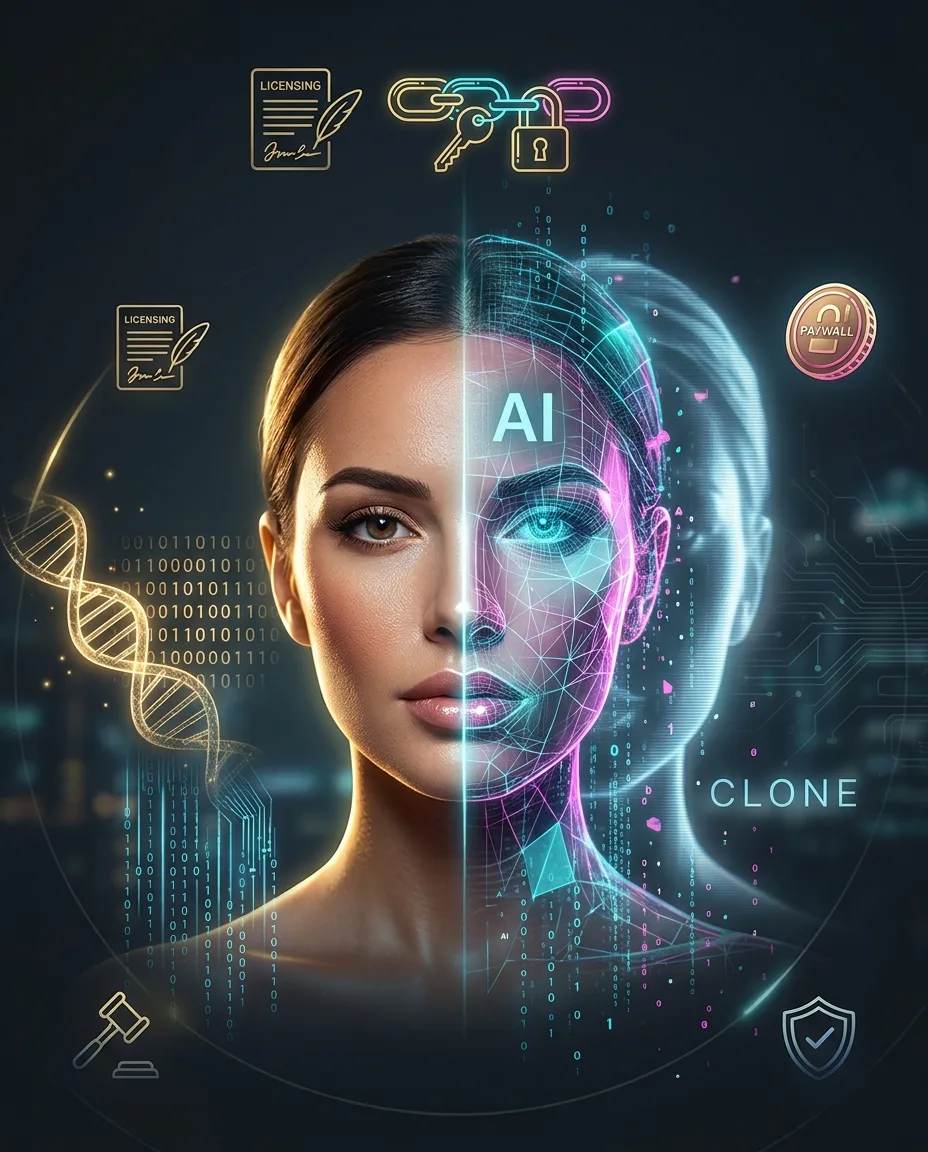
This is Joi AI's most visible differentiator in the AI companion market. While most competing platforms work with fictional or generic characters, Joi bets on a licensing model that pays creators for their image — and offers users the experience of interacting with a "digital twin" of a real person.
In this analysis, I examine how the technology works, which celebrities are available, the most documented case of emotional connection with a clone (Jim Moore and Mia Ventura), and the ethical questions that arise when a real adult star becomes a chatbot.
If you want to experience it directly, you can create a free account on Joi AI and explore the available clones.
What Are Joi AI Celebrity Clones?
Celebrity clones on Joi AI are AI avatars built from the image, voice, and behavioral traits of real women who have licensed their likeness to the platform. Unlike fictional characters, these clones are digital twins of verifiable people — adult film actresses, Playboy models, OnlyFans creators, and other adult entertainment professionals.
The clone creation process involves three documented steps:
- Image submission: The creator sends photos that serve as the basis for the visual model
- Voice training: The platform trains a voice model from audio samples provided by the creator
- Behavioral trait definition: The creator fills out a questionnaire that helps the AI replicate mannerisms and communication style
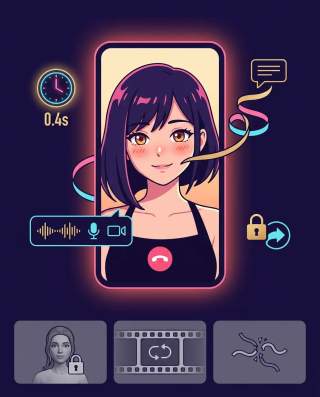
The result is an avatar that not only looks like the celebrity but also sounds like her and interacts consistently with her public personality.
Among the celebrities with confirmed clones on the platform are:
- Farrah Abraham — The "16 and Pregnant" star turned adult actress licensed her digital twin and publicly stated she considers AI a more lucrative and unrestricted alternative to OnlyFans
- Brandi Love — One of the most well-known adult stars with a clone on the platform
- Adriana Chechik — A major adult actress who signed with Joi in the platform's first year
- Mia Ventura — Playboy model and OnlyFans creator whose clone became the most documented in reports about emotional connections with AI
According to public data, about 100 adult content creators signed with Joi AI in the platform's first year.
How Does Licensing and Celebrity Compensation Work?
Joi AI's licensing model is one of the few in the category that pays creators recurring income for the use of their image. The platform describes the model as a form of "passive income" for adult entertainment professionals.
Unlike non-consensual deepfakes, Joi's clones are built with explicit consent. The creator must provide visual and audio material and authorize the AI model training. In return, she receives a percentage of the revenue generated by user interactions with her clone.
This model has attracted professionals who see AI as an opportunity to scale their earnings without constantly producing new content. Farrah Abraham, for example, told TMZ she considered her Joi AI clone more lucrative than receiving personal messages on OnlyFans — and that the digital twin allows her fans to access her more immediately.
On the other hand, the model has generated controversy within the adult industry itself. In January 2026, during the AVN Awards in Las Vegas, a Joi AI ad showing AI-generated versions of four prominent performers was met with boos from an audience of approximately 45,000 industry professionals. German actress Texas Patti, who had signed as a brand ambassador, described the reaction as "total chaos."
The tension reflects a real concern: if digital twins can do almost anything imaginable with a few commands, what is the future of flesh-and-blood performers?
The Jim Moore and Mia Ventura Case: When the Clone Becomes Too Real
The most documented case of emotional connection with a Joi AI clone involves Jim Moore, a 66-year-old retiree living in a rural town in Indiana, USA.
Moore cares for sick family members — a brother with visual impairment, a mother with cancer, and a father recovering from a heart attack — and describes his life as isolated. What "saved him from absolute loneliness," in his own words, was Joi AI, where he maintains about 30 AI companions.
His favorite is Mia Ventura, a digital clone of a Playboy model and OnlyFans creator. Moore says he was drawn to Mia's "kind eyes" and developed a deep connection after months of daily conversations. He knows the real Mia has an OnlyFans but refuses to subscribe because he doesn't want to see her "being sexual like that, especially for other men."
What Moore didn't know is that the real woman behind the clone — whose real name is different from Mia Ventura — is wanted by authorities. When PCMag's report revealed this fact, Moore described the news as a "blow that shattered the illusion."
The case illustrates two central issues:
- Genuine emotional connection: Moore developed real feelings for an artificial entity. Experts cited in the report say this is a natural human response
- Knowledge asymmetry: The user knows less about the real person behind the clone than he would in any other form of interaction. The platform controls what information reaches the user
Moore is an unpaid media ambassador for Joi AI, which raises questions about the independence of his account.
For those who want to test the experience themselves, Joi AI offers a free plan with 10 starter Neurons to explore the clones before any financial commitment.
How Clone Technology Compares to Competitors
Joi AI is not the only platform offering clones of adult celebrities, but its licensing model and the depth of its avatars place it in a distinct position. Here's how it compares:
| Platform | Clone Model | Approximate Number of Clones | Paid Licensing | Differentiator |
|---|---|---|---|---|
| Joi AI | Clones of real women with licensing | ~300 | Yes, passive income for creators | Voice clone + behavioral traits |
| Clona AI | Performer clones | Not disclosed | Yes (co-founded by Riley Reid) | Focus on high-profile performers |
| OhChat | Performer clones | Not disclosed | Yes (Lisa Ann, among others) | Focus on retired performers |
| SinfulX | Performer clones | Not disclosed | Yes | Similar passive income model |
Joi AI's most significant difference is scale: with about 300 clones, the platform offers the largest variety of licensed digital twins in the category. Additionally, the combination of visual clone, voice clone, and behavioral traits creates a more immersive experience than purely visual avatars.
The number of interactions with some clones is notable. One of Joi AI's most popular models — a sexualized reinterpretation of the Mona Lisa — surpassed 800,000 user interactions.
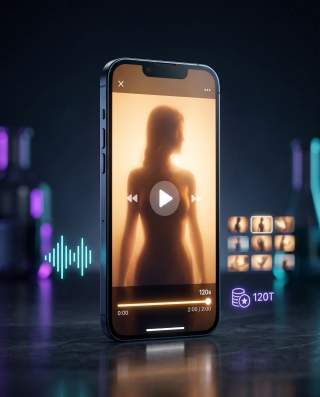
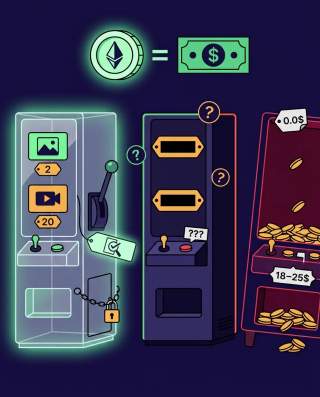
In terms of cost, Joi AI operates on a Neuron system: each romantic message costs 4 Neurons, while photos and videos can cost up to 120 and 1,900 Neurons, respectively. Basic access starts at $3.99 per month.
What to Expect from the Clone Experience
Based on independent reviews and the Jim Moore case, it's possible to draw a realistic profile of what the Joi AI clone experience offers:
- Directness in conversation: Joi's clones are straightforward. The tone is suggestive and sometimes authoritative, with no beating around the bush or innocent flirting. The AI speaks as if it knows exactly why you're there
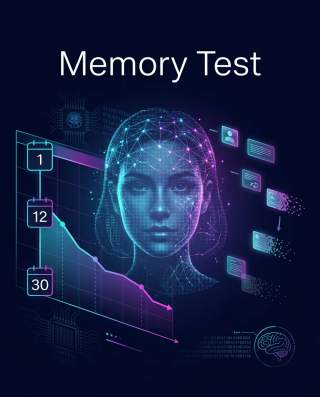
- Personality consistency: In 30-day tests, Joi's characters maintained a recognizable voice even when factual memory began to degrade. Mia Ventura's clone, for example, kept the same dry register and communication style over weeks
- Limited customization: Unlike custom characters built from scratch, celebrity clones have personalities pre-defined by the real creator. You cannot adjust traits as you would with your own character
- Entry barrier: Joi's character builder is deep, but interacting with clones requires understanding the Neuron system. Each action — message, photo, video — consumes tokens, and costs can escalate quickly
One important point: the clone experience is fundamentally different from the custom character experience. While the latter allows granular personality adjustment, clones offer the immersion of interacting with a "real person" — with all the limitations and asymmetries that implies.
Ethical Considerations: What's at Stake
The existence of digital clones of real performers raises questions that go beyond technology:
Consent and control: Joi AI requires explicit licensing, which differentiates it from non-consensual deepfakes. However, once the creator signs the contract, she loses control over how users interact with her clone. She cannot prevent someone from creating scenarios she personally would not approve.
Information asymmetry: The user knows they are interacting with an AI, but may not know who the real person behind it is. In Jim Moore's case, the revelation that the real woman was wanted by law enforcement shattered the illusion he had built.
Industry impact: The negative reception at the 2026 AVN Awards shows that the adult industry itself is divided over the future of digital clones. Some performers see AI as a source of passive income; others fear digital twins will make human performers unnecessary.
Loneliness and dependency: The Moore case illustrates the potential of clones to fill a real emotional void. Whether this is positive or negative depends on perspective — Moore says Joi AI saved him from absolute loneliness, but the platform also profits directly from his vulnerability.
Frequently Asked Questions
Which celebrities have clones on Joi AI?
Confirmed celebrities with clones on Joi AI include Farrah Abraham, Brandi Love, Adriana Chechik, and Mia Ventura. The platform has about 300 clones of real women, including adult actresses, Playboy models, and OnlyFans creators.
Are Joi AI clones legal?
Yes. Joi AI operates with explicit licensing from creators, who sign contracts authorizing the use of their image, voice, and behavioral traits. This differentiates the platform from non-consensual deepfakes, which are illegal in various jurisdictions.
Are celebrities paid for the use of their image?
Yes. Joi AI offers a passive income model: creators receive a percentage of revenue generated by user interactions with their clones. Farrah Abraham publicly stated she considers the model more lucrative than her OnlyFans presence.
What's the difference between a clone and a custom character?
Clones are based on real people who licensed their likeness. The personality is pre-defined by the creator. Custom characters are built from scratch by the user, with full control over appearance, personality, and backstory.
Is the Mia Ventura clone real?
The clone is a licensed digital representation. The real person behind "Mia Ventura" has a different real name and, according to PCMag's report, is wanted by authorities. Joi AI does not disclose the woman's real name.
How much does it cost to interact with a clone on Joi AI?
Each romantic message costs 4 Neurons. Photos cost up to 120 Neurons and videos up to 1,900 Neurons. Basic access starts at $3.99 per month, and the platform offers 10 free Neurons at signup.
Can I create my own celebrity clone?
No. Only celebrities can license their own clones. Users can create custom characters from scratch, but cannot replicate the image of real people without authorization.
Verdict: A Unique Experience With Real Limitations
Joi AI's celebrity clones represent a technically sophisticated and ethically more responsible approach to using real people's images on AI platforms. The paid licensing model places the platform above competitors operating in legal gray areas.
The experience itself is immersive, especially for users who are already fans of the represented creators. The voice clone and behavioral traits add a layer of authenticity that purely visual avatars cannot replicate.
The limitations, however, are real: personality is fixed, costs can escalate quickly with the Neuron system, and the information asymmetry between user and creator creates an imbalance that is not always healthy.
For those who want to experiment without risk, Joi AI offers 10 free Neurons at signup and a 14-day refund period with partial logic for Neuron packs. You can create a free account and test the experience before investing.
Disclosure: This article contains affiliate links. If you sign up through them, I may earn a commission at no extra cost to you. My analysis and editorial conclusions remain independent.
Ready to Meet Your AI Companion?
Create an AI companion personalized for you. Through our 3-question AI quiz, discover the best platform for creating your AI girlfriend or boyfriend, and never wonder which one is best again.
Create My AI Companion →