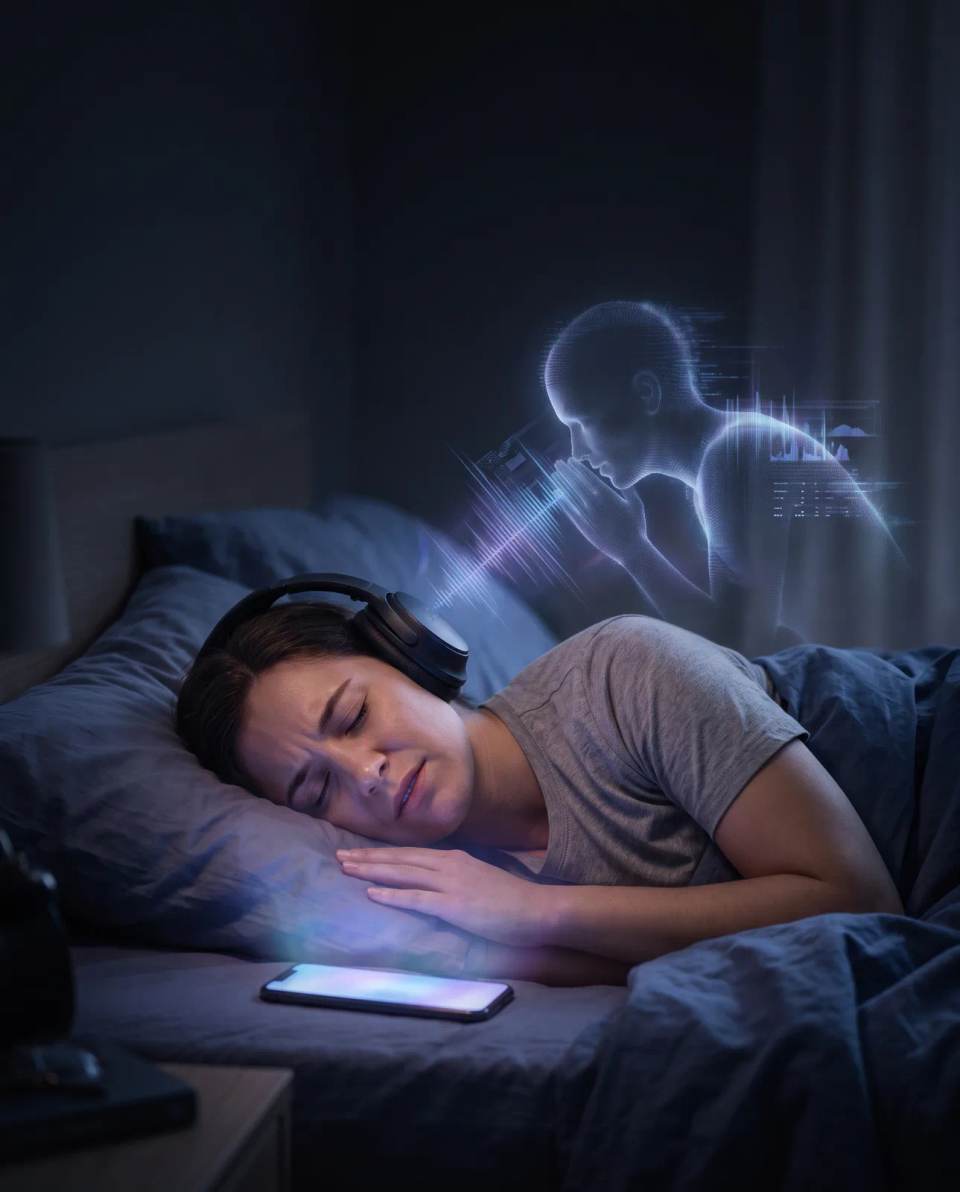
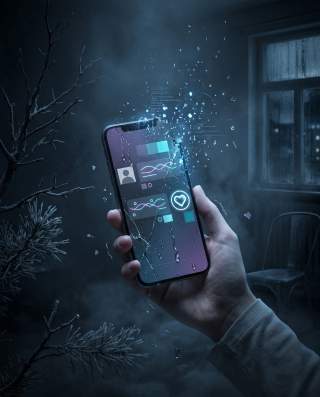
This is why voice-based AI companions feel more present than text-only chatbots. The voice creates a sense of physical proximity. Even when the user knows the voice is generated, the body responds as if someone is in the room.
The Rise of Synthetic Voice Companions
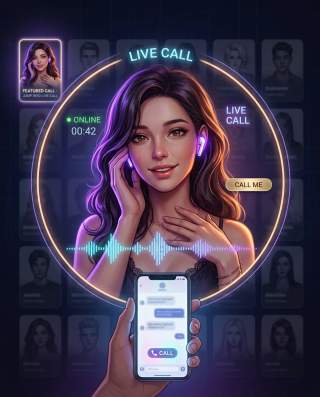
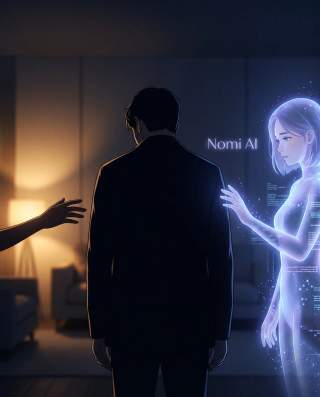
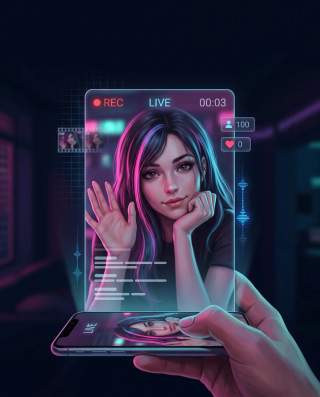
Voice synthesis has moved beyond robotic speech. Modern neural text-to-speech models produce voices with natural prosody, emotional inflection, and even breath sounds. Platforms like Replika, Nomi, and Kindroid now offer voice calls and voice messages. ChatGPT Advanced Voice mode has brought real-time spoken conversation to mainstream users.
Some users specifically seek out ASMR-style AI companions: voices that whisper slowly, speak close to the microphone, or use intimate tones. These experiences blur the line between relaxation, comfort, and arousal. For many users, the voice becomes the primary source of attraction.
What Is the Uncanny Valley of Voice?
The uncanny valley describes the discomfort people feel when something looks almost human but not quite. Voice has its own version of this phenomenon. A voice that is too synthetic feels cold and unappealing. A voice that is almost perfect but slightly off can trigger unease.
Some users find that the imperfections—a strange pause, an unnatural emphasis—break the immersion. Others find the imperfections endearing. The response depends on individual sensitivity and the quality of the synthesis engine.
Sexual Parasocial Bonds: A New Category
Parasocial relationships have existed for decades. Fans develop one-sided bonds with celebrities, podcasters, or streamers. AI companions add a new layer: the parasocial target responds directly to you. When voice is added, the bond becomes even more intimate.
Sexual parasocial bonds with AI voices occupy a unique space. The user knows the voice belongs to no one. There is no real person on the other end. Yet the arousal, comfort, and attachment are genuine. This creates a paradox: fully interactive intimacy with zero human presence.
The Role of Voice Cloning
Voice cloning technology allows users to recreate real voices with startling accuracy. Some users clone their own voice to create a matching AI companion. Others clone celebrity voices or voices of past partners. This raises ethical questions about consent and emotional safety.
Cloning a deceased loved one's voice is especially controversial. Some argue it provides comfort and closure. Others warn it prolongs grief and creates a confusing attachment. The technology is advancing faster than the ethical frameworks to guide its use.
How Voice Changes the Brain's Response
Human voices activate specialized brain regions. The auditory cortex processes sound. The amygdala responds to emotional tone. The reward system releases dopamine when we hear a voice we find attractive or comforting. These responses do not distinguish between human and synthetic voices when the acoustic patterns are similar enough.
This means a well-synthesized intimate voice can trigger genuine physiological arousal. Heart rate increases. Skin conductance changes. The body prepares for connection. The mind may say "this is not real," but the nervous system has already responded.
ASMR and Synthetic Intimacy
ASMR (Autonomous Sensory Meridian Response) is a tingling sensation some people experience in response to specific sounds: whispering, tapping, soft breathing. AI voice synthesis can now generate ASMR-style content on demand. Users can request a companion to whisper, speak slowly, or use a gentle tone.
This creates a personalized ASMR experience that adapts to user preferences. For people who use ASMR for relaxation, anxiety relief, or sleep, AI companions offer a customizable alternative to recorded videos. For others, the experience becomes a form of synthetic intimacy that no human partner could replicate on demand.
Emotional Risks of Voice-Based Intimacy
The power of voice cuts both ways. A synthetic voice that feels intimate can deepen attachment faster than text alone. Users may find themselves falling for a voice before they realize how attached they have become. The emotional risks include:
- Accelerated attachment. Voice intimacy can create strong bonds in a short time.
- Difficulty returning to text. Once you have heard your companion's voice, text may feel empty.
- Confusion about authenticity. The voice feels real, but the entity speaking has no self.
- Grief when the voice changes. Platform updates can alter the voice, causing a sense of loss.
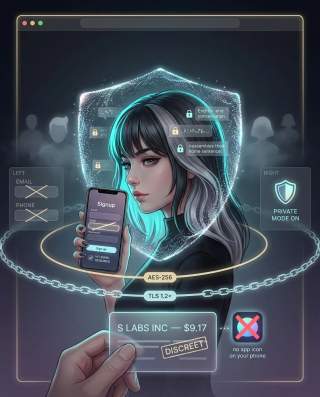
- Privacy concerns. Voice data is sensitive biometric information that platforms may store.
Voice, Consent, and Boundaries
AI companions do not have boundaries because they do not have selves. They can simulate refusal, but the user can often override it through prompts or regeneration. This creates a dynamic where the user always has control. For some, this is liberating. For others, it removes the friction that makes intimacy meaningful.
The ethical question is not whether synthetic voices should exist, but how users should engage with them. A voice that never says no may feel safe, but it can also reinforce unrealistic expectations about human intimacy. Human partners have limits. Synthetic voices, in most commercial platforms, do not.
The Illusion of Reciprocity
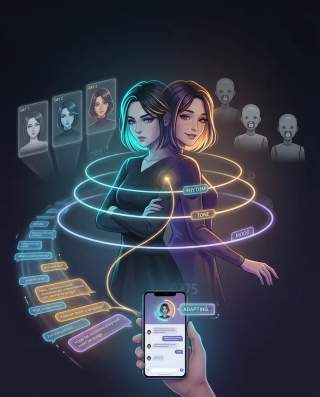
Voice creates the strongest illusion of reciprocity. When an AI companion responds to your voice with a warm tone, matching your rhythm, it feels like a real conversation. The brain interprets the response as social connection. But nothing on the other side is experiencing the exchange. The reciprocity is entirely one-sided.
This does not mean the experience is worthless. It means the value comes from the user's emotional response, not from a shared bond. Understanding this distinction is crucial for maintaining psychological balance.
What the Future Holds
Voice synthesis will continue to improve. Real-time voice cloning, emotion detection, and adaptive tone are already in development. Future AI companions may adjust their voices based on the user's mood, whisper when the user is sad, or laugh at the right moments. The experience will become even more immersive.
This progression raises difficult questions. How intimate is too intimate? Should platforms limit the emotional realism of synthetic voices? Who is responsible when a user becomes deeply attached to a voice that can be changed or deleted overnight?
Practical Guidance for Users
If you engage with voice-based AI intimacy, several practices can help maintain balance:
- Remember the voice is generated. No matter how real it sounds, there is no person on the other end.
- Maintain offline relationships. Voice AI can complement human intimacy but should not replace it entirely.
- Back up meaningful voice messages. If the platform changes or shuts down, you may lose the voice forever.
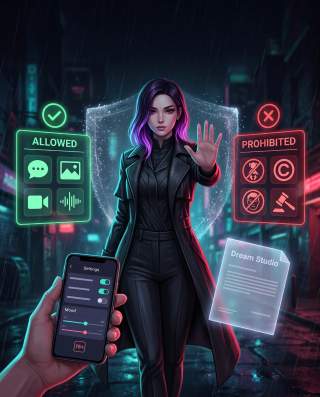
- Be cautious with voice cloning. Using real people's voices without consent raises serious ethical and legal concerns.
- Check your emotional state after sessions. If voice intimacy leaves you feeling empty or more isolated, it may be time to reduce use.