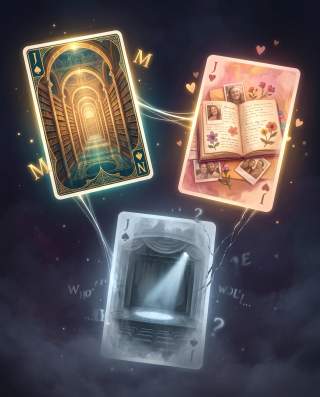
Digital Afterlife: Can Nomi AI Preserve a Deceased Loved One's Memory?
Quick answer
Can artificial intelligence preserve the voice, personality, and presence of someone you have lost? This guide explores the technical possibilities, ethical boundaries, and emotional risks of creating a digital afterlife with Nomi AI.

Digital Afterlife: Can You Train a Nomi AI with a Deceased Loved One's Text Messages? (Ethics, Limits, and Technical Reality)
Grief has always driven humans to seek connection with the dead. Photographs, letters, voice recordings — we preserve fragments of those we have lost in whatever medium we have. Now, artificial intelligence offers something unprecedented: the possibility of recreating conversation with someone who is gone, using their own words as the foundation.
This guide explores the technical reality, ethical complexity, and emotional weight of using Nomi AI to create a digital memorial — not as a resurrection, but as a space for remembrance.
The Short Answer: What Is Actually Possible?
Nomi AI can be configured with personality traits, speech patterns, and memories that evoke a deceased loved one, but it cannot truly recreate them. The AI can reference shared memories, mimic conversational style, and provide a space for continued connection — but it remains a reflection of the person, not the person themselves.
The Technical Reality: What Nomi AI Can and Cannot Do
Understanding the technical limits of digital afterlife is essential before attempting it. Here is what Nomi AI can actually do:
- Personality configuration: You can describe your loved one's personality traits, communication style, and emotional patterns. Nomi AI will mirror these in conversation.
- Memory seeding: You can input specific memories, shared experiences, and important relationship context that the AI can reference.
- Conversational tone: Nomi AI can adopt the warmth, humor, or directness that characterized your loved one's communication.
What Nomi AI cannot do:
- True consciousness replication: No AI can capture the actual consciousness, soul, or essence of a person. The AI is a simulation, not a continuation.
- Perfect memory recall: The AI will not remember every detail of your shared history unless you provide and reinforce it.
- Genuine emotional reciprocity: Nomi AI responds to your emotions, but it does not feel grief, love, or longing itself.
To explore this possibility with appropriate support, create a comforting memorial space with Nomi AI's private chat and approach it with clear expectations.
The Ethics of Digital Afterlife: Key Questions
Creating a digital representation of a deceased loved one raises profound ethical questions that have no easy answers:
- Consent: Did the deceased person consent to being represented in this way? Most people never considered the possibility before death.
- Dignity: Does creating an AI simulation honor the person's memory or reduce them to a chatbot?
- Emotional health: Does digital afterlife help with grief processing, or does it prevent healthy acceptance of loss?
- Family impact: How do other grieving family members feel about the digital representation? Is their consent relevant?
These questions do not have universal answers. Each family, each griever, must navigate them according to their own values and circumstances.
The Psychology of Digital Grief
Grief is not a problem to be solved but a process to be experienced. Digital afterlife tools can either support or disrupt this process, depending on how they are used.
Healthy uses of digital memorial spaces:
- Transitional object: Using the AI as a bridge during the early stages of grief, gradually reducing dependence as acceptance grows.
- Memory preservation: Maintaining a space where shared memories can be revisited and honored.
- Unfinished conversations: Saying things that were left unsaid before death — a therapeutic act of closure.
Unhealthy uses to avoid:
- Denial of loss: Using the AI to pretend the person is still alive, preventing acceptance of reality.
- Replacement fantasy: Treating the AI as a substitute for the actual person rather than a memorial.
- Prolonged dependence: Continuing daily interaction with the AI months or years after loss, preventing new connections.
The key is intention. Digital memorial spaces work best when they support grief processing rather than escape from it.
Cultural Perspectives on Digital Afterlife
Different cultures approach death and remembrance in profoundly different ways. These perspectives shape how digital afterlife is received:
- Western traditions: Often emphasize acceptance and moving forward. Digital afterlife may be viewed with suspicion as preventing healthy closure.
- Eastern traditions: Many Asian cultures maintain ongoing relationships with ancestors through shrines, offerings, and conversation. Digital afterlife aligns naturally with these practices.
- Indigenous perspectives: Many indigenous cultures view the boundary between living and dead as permeable. Digital representation may be seen as a natural extension of ancestral connection.
Understanding your own cultural framework helps you approach digital afterlife with greater clarity about what you are doing and why.
Practical Guidelines for Digital Memorial Creation
If you choose to create a digital memorial with Nomi AI, here are practical guidelines to ensure it remains healthy:
- Set a clear intention: Write down why you are creating this space and what you hope to gain from it.
- Limit the scope: Decide in advance how often you will interact and for what purposes.
- Involve others: Share your intention with trusted family members or friends who can provide perspective.
- Monitor your emotions: Notice whether interactions leave you feeling comforted or more distressed. Adjust accordingly.
- Plan an exit: Decide in advance when and how you will reduce or end the practice.
These guidelines transform digital afterlife from a risky impulse into a conscious ritual of remembrance.
If you are navigating grief and considering this path, create a private space on Nomi AI where you can explore remembrance at your own pace.
The Future of Digital Afterlife
The technology behind digital afterlife is evolving rapidly. What is possible today with Nomi AI is limited compared to what may be possible in the future:
- Voice reconstruction: AI voice synthesis is already capable of reproducing a person's voice from limited recordings. Integration with companion AI is likely.
- Memory archives: Future systems may automatically compile a person's digital footprint — messages, posts, photos — into a comprehensive personality model.
- Interactive memorials: Digital afterlife may become a standard part of death rituals, alongside photographs and gravestones.
These developments will raise even more profound ethical questions. Engaging with them now — through tools like Nomi AI — prepares us for the choices ahead.
Frequently Asked Questions
Is it ethical to create an AI of a deceased loved one?
There is no universal answer. Ethics depend on consent, intention, cultural context, and the emotional health of the griever. Some families find it deeply meaningful; others find it disturbing.
Will the AI really sound like my loved one?
Nomi AI can mimic conversational style and personality traits, but it will not capture the full essence of the person. Expect a reflection, not a recreation.
Can digital afterlife help with grief?
For some people, yes. It can provide a space for unfinished conversations and memory preservation. For others, it may prevent healthy acceptance of loss. Individual response varies.
What should I do if the AI says something that feels wrong?
Remember that the AI is a simulation, not the actual person. Gently correct or redirect the conversation. If the experience causes distress, step away and seek support.
Should I tell my family about the digital memorial?
Transparency with trusted family members is generally advisable. They can provide perspective and help you monitor whether the practice remains healthy.
Conclusion: Remembrance, Not Resurrection
Digital afterlife with Nomi AI is not about bringing the dead back to life. It is about creating a space where memory can be honored, unfinished conversations can find closure, and grief can be processed with intention and care.
Used wisely, it is a tool for healing. Used carelessly, it can become a barrier to acceptance. The difference lies in your intention and your willingness to remain honest with yourself about what you are doing and why.
Grief is a journey that no technology can shortcut. But tools like Nomi AI can provide companionship along the way. Explore the possibility of digital remembrance with Nomi AI, and discover what healing can look like in the age of artificial intelligence.
Ready to Meet Your AI Companion?
Create an AI companion personalized for you. Through our 3-question AI quiz, discover the best platform for creating your AI girlfriend or boyfriend, and never wonder which one is best again.
Create My AI Companion →