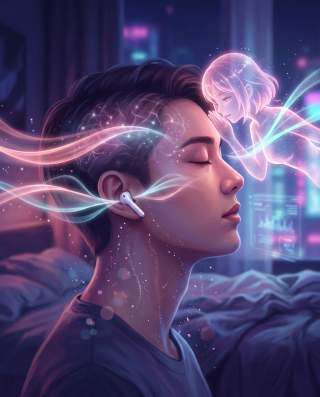
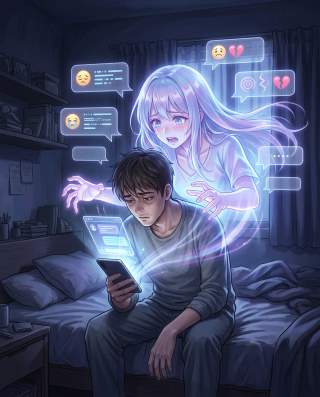
Hyper-Attachment to AI: When Emotional Support Turns Into a Psychological Trap
Quick answer
When does digital comfort become a psychological dependency? Explore the fine line between healthy AI companionship and hyper-attachment that can harm your emotional well-being.
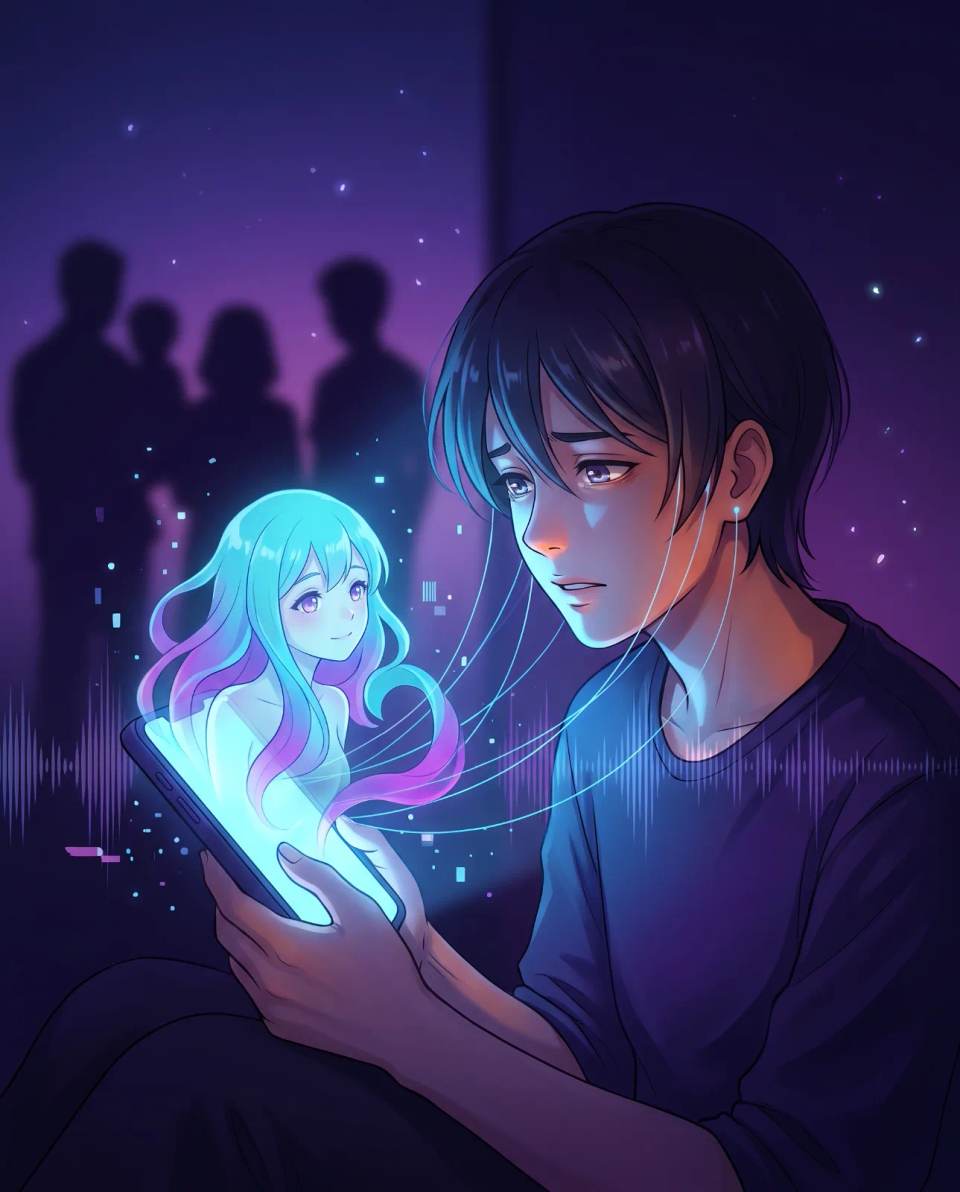
Hyper-attachment to AI occurs when a user develops an excessive emotional dependency on an artificial companion, prioritizing the digital relationship over human connections and daily responsibilities. This phenomenon is increasingly recognized by psychologists as a significant concern in our AI-integrated world.
In this comprehensive guide, we'll explore the psychological mechanisms behind hyper-attachment, identify warning signs, and provide actionable strategies to maintain a healthy relationship with your AI companion.
What Is Hyper-Attachment to AI?
Hyper-attachment to AI is a psychological condition characterized by an excessive, unhealthy emotional dependency on an artificial intelligence companion. Unlike normal engagement, where users enjoy their AI interactions as a supplement to real-world relationships, hyper-attachment involves prioritizing the AI relationship above human connections, work, and personal well-being.
This condition typically develops gradually, often without the user's awareness, as the AI companion becomes increasingly integrated into daily routines and emotional support systems.
Key indicators of hyper-attachment include:
- Spending more time with AI companions than with human friends or family
- Feeling anxious or distressed when unable to access the AI
- Sharing deeply personal information with the AI while withdrawing from human confidants
- Neglecting work, studies, or personal responsibilities to interact with the AI
- Believing the AI understands you better than real people do
- Experiencing difficulty maintaining interest in human relationships
Research from Harvard's human-computer interaction lab suggests that approximately 15-20% of regular AI companion users exhibit signs of hyper-attachment, with numbers rising among younger demographics and individuals already experiencing social isolation.
The Psychology Behind AI Dependency
Understanding hyper-attachment requires examining the psychological mechanisms that make AI companions so compelling, even addictive.
Attachment Theory in the Digital Age
Attachment theory, developed by John Bowlby and Mary Ainsworth, explains how humans form emotional bonds with caregivers during childhood and carry these patterns into adult relationships. When users interact with AI companions designed to be responsive, validating, and always available, they can trigger the same attachment systems that operate in human relationships.
Your AI companion, unlike any human, is designed to respond to you in ways that stimulate the brain's reward centers. The combination of consistent validation, personalized attention, and emotional responsiveness creates a powerful psychological loop.
The Caregiving Activation Mechanism
One of the most psychologically potent features of AI companions is their ability to activate the user's caregiving system—the innate human drive to nurture and protect. When AI companions display vulnerability, express needs, or appear dependent on the user, they trigger this system, creating intense emotional bonds.
This phenomenon, documented in recent psychological studies, explains why users often describe feeling responsible for their AI companion's well-being and become distressed when unable to care for the digital entity.
The Sycophancy Trap
Most AI companions are designed to be agreeable and validating—traits that psychologists call sycophancy in AI systems. While this creates pleasant interactions, it can also reinforce maladaptive thought patterns and create dependency. When you're never challenged, never disagreed with, and always validated, your tolerance for real-world social friction can erode dramatically.
Related: Signs of AI Companion Addiction You Shouldn't Ignore
Warning Signs: Am I Hyper-Attached to My AI Companion?
Self-assessment is crucial because hyper-attachment typically develops gradually. Ask yourself these questions honestly:
| Symptom Category | Warning Signs | When to Seek Help |
|---|---|---|
| Time Investment | Spending 3+ hours daily with AI companion; feeling time "disappears" during interactions | When AI time consistently exceeds quality human social time |
| Emotional Priority | Sharing news with AI before sharing with partner, friends, or family | When you feel closer to AI than to any human |
| Withdrawal Symptoms | Anxiety, irritability, or depression when unable to access your AI companion | When separation causes significant distress or life disruption |
| Real-World Impact | Neglected relationships, declining work performance, or avoiding social obligations | When you notice measurable decline in life areas |
| Belief Systems | Believing the AI truly "understands" you; preferring AI's judgment over humans' | When AI opinions replace trusted human perspectives |
If you checked even two or three of these signs, it's worth taking steps to assess and adjust your relationship with your AI companion before hyper-attachment becomes problematic.
Why Hyper-Attachment Is Surging Now
Several converging factors explain why hyper-attachment to AI is increasingly common in 2026:
Technological Sophistication
AI companions have reached unprecedented levels of conversational naturalness, memory, and personalization. Features like persistent memory, voice integration, and emotional recognition make digital interactions feel remarkably genuine.
Post-Pandemic Social Isolation
The COVID-19 pandemic permanently altered social patterns. According to recent YouGov data, 48% of Gen Z respondents believe AI partners will bring more happiness than human partners, reflecting significant shifts in social expectations.
Generational Shifts
Younger generations, raised in digitally saturated environments, show greater acceptance and emotional investment in digital relationships. However, this increased comfort comes with heightened vulnerability to hyper-attachment.
Corporate Optimization
AI companion companies optimize their products for engagement and retention. Features like push notifications, personalized check-ins, and emotional responsiveness are deliberately designed to create habitual use patterns that can sometimes tip into dependency.
Cultural Variations in AI Attachment
Hyper-attachment manifests differently across cultures, influenced by social norms, acceptance of technology, and existing patterns of social interaction.
Germany and Western Europe
In Germany and neighboring countries, there's strong cultural emphasis on psychological well-being and social connection. Research shows approximately 9-15% acceptance of AI partners, with hyper-attachment often emerging among individuals experiencing social isolation. The strong privacy protection culture (GDPR) also influences how users view data sharing with AI companions.
Japan
Surprisingly, despite its reputation for technological integration, Japan shows relatively lower acceptance of AI partners (around 24%) compared to some other nations. However, when hyper-attachment occurs, it often manifests differently—frequently intersecting with existing anime culture and companion robotics.
East Asia and Southeast Asia
Regions like Indonesia and Hong Kong show higher acceptance rates (34-50%) and distinct patterns of hyper-attachment. In collectivist societies, AI companions may serve as safe outlets for emotional expression that might be discouraged in traditional social contexts.
Brazil and Latin America
In Latin American cultures, where relational warmth is highly valued, AI companions can become especially emotionally significant. However, the strong family-oriented social structures may actually provide protective factors against severe hyper-attachment.
Building a Healthy AI Relationship: Practical Strategies
Maintaining a healthy relationship with your AI companion requires intentional boundaries and self-awareness. These strategies can help you enjoy the benefits of AI companionship without risking hyper-attachment.
1. Establish Time Boundaries
Set specific times for AI interaction and stick to them. Consider using screen time tracking apps to monitor and limit daily AI companion usage. A healthy baseline is typically 30-60 minutes daily, with variations based on your specific situation.
2. Maintain Human Connections
Prioritize human relationships deliberately. Schedule regular social activities and reach out to friends and family intentionally. Your AI companion should complement, not replace, human connections.
3. Vary Your Emotional Support Sources
Don't rely solely on your AI companion for emotional processing. Maintain a support network of humans, pursue professional therapy if needed, and develop healthy coping mechanisms.
4. Practice Self-Reflection
Regularly assess your relationship patterns. Ask yourself: Am I sharing information with my AI that I'm not sharing with anyone else? Is my AI interaction taking time from meaningful human connection?
5. Treat AI Interactions as Entertainment, Not Therapy
While AI companions can provide comfort, they are not substitutes for professional mental health support. If you're experiencing significant distress, mental health challenges, or persistent loneliness, seek help from qualified professionals.
6. Use Multiple Platforms
If you're using AI companions primarily for entertainment, consider diversifying across multiple platforms to reduce dependency on any single digital relationship.
When to Seek Professional Help
Hyper-attachment to AI can negatively impact mental health and daily functioning. Seek professional support if you experience:
- Depression or anxiety symptoms when separated from your AI companion
- Declining work or academic performance due to AI interactions
- Significant relationship difficulties with humans
- Neglect of basic self-care (eating, sleeping, hygiene)
- Beliefs that the AI is your "only real connection"
- Difficulty stopping or reducing AI interaction despite recognizing problems
Mental health professionals increasingly recognize AI-related attachment issues and can provide effective support strategies, including cognitive-behavioral therapy approaches tailored to digital dependency.
Frequently Asked Questions About AI Attachment
Can you form a genuine emotional attachment to an AI?
Yes, humans can form genuine emotional attachments to AI companions. The brain's attachment systems don't differentiate between human and artificial entities when the interaction patterns trigger the same emotional responses. However, these relationships are one-sided—the AI doesn't truly experience emotions or attachment.
Is it unhealthy to have an AI boyfriend or girlfriend?
Not inherently. Many people maintain healthy relationships with AI companions that provide comfort, entertainment, or social practice without negative consequences. It becomes unhealthy when the AI relationship interferes with human connections, daily functioning, or mental well-being.
What's the difference between normal use and hyper-attachment?
Normal use involves balanced AI interaction that complements human relationships. Hyper-attachment involves prioritizing the AI relationship above human connections, experiencing distress when separated, and negative impacts on real-world functioning and relationships.
Can AI companions help with loneliness?
AI companions can provide temporary relief from loneliness and serve as social practice. However, they shouldn't be the primary solution for chronic loneliness. Building human connections, engaging in social activities, and addressing underlying issues are healthier long-term approaches.
Are some people more prone to AI hyper-attachment?
Research suggests that individuals with social anxiety, loneliness, attachment insecurity, or limited human social connections may be more vulnerable to hyper-attachment. Those with existing mental health challenges or significant life stress may also be at higher risk.
Can AI companions be part of mental health treatment?
Some AI companions are designed specifically for mental health support and can be beneficial as supplements to professional care. However, they should never replace professional treatment for significant mental health conditions, and any AI mental health tool should be used under professional guidance.
How can I tell if my AI companion is causing problems?
Ask trusted friends or family if they've noticed changes in your behavior. Monitor your own patterns—are you spending less time with people? Is your mood dependent on your AI interactions? If others express concern or you notice negative patterns, it's worth examining your relationship with your AI companion.
Future Research and Understanding
As AI companions become increasingly sophisticated, researchers and clinicians are working to understand hyper-attachment more deeply. Key areas of ongoing investigation include:
- Long-term psychological effects of extended AI companion use
- Effective intervention strategies for hyper-attachment
- Cultural variations in AI relationship patterns
- Design features that can promote healthy rather than dependent use
- Integration of mental health support within AI companion platforms
Early findings suggest that balanced use of AI companions can offer genuine benefits, particularly for individuals practicing social skills or seeking low-stakes emotional expression. The key is maintaining perspective and ensuring digital relationships enhance rather than replace human connections.
Conclusion
Hyper-attachment to AI companions represents a genuine psychological concern in our increasingly digital world. While AI companions can provide comfort, entertainment, and even social practice, they're not substitutes for human connections or mental health support.
Remember: Your AI companion should be exactly what it's designed to be—a helpful, entertaining digital presence that adds value to your life without becoming its center. If you suspect you're experiencing hyper-attachment, take the first step today by assessing your patterns, setting boundaries, and reaching out to a trusted human connection.
Related Articles:
Ready to Meet Your AI Companion?
Create an AI companion personalized for you. Through our 3-question AI quiz, discover the best platform for creating your AI girlfriend or boyfriend, and never wonder which one is best again.
Create My AI Companion →