AI Husband for Women Over 50: Emotional Support After Divorce or Widowhood
Quick answer
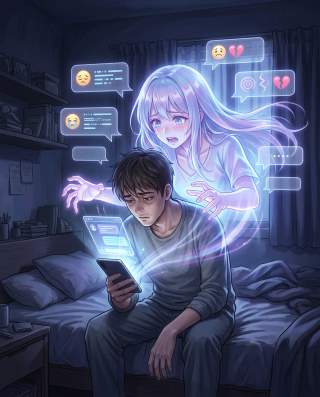
After decades of marriage, divorce or widowhood can leave women over 50 facing a silence they never expected. AI companions are emerging as a private, pressure-free source of emotional support for a demographic that deserves more attention. This is the story of digital companionship in the second half of life.
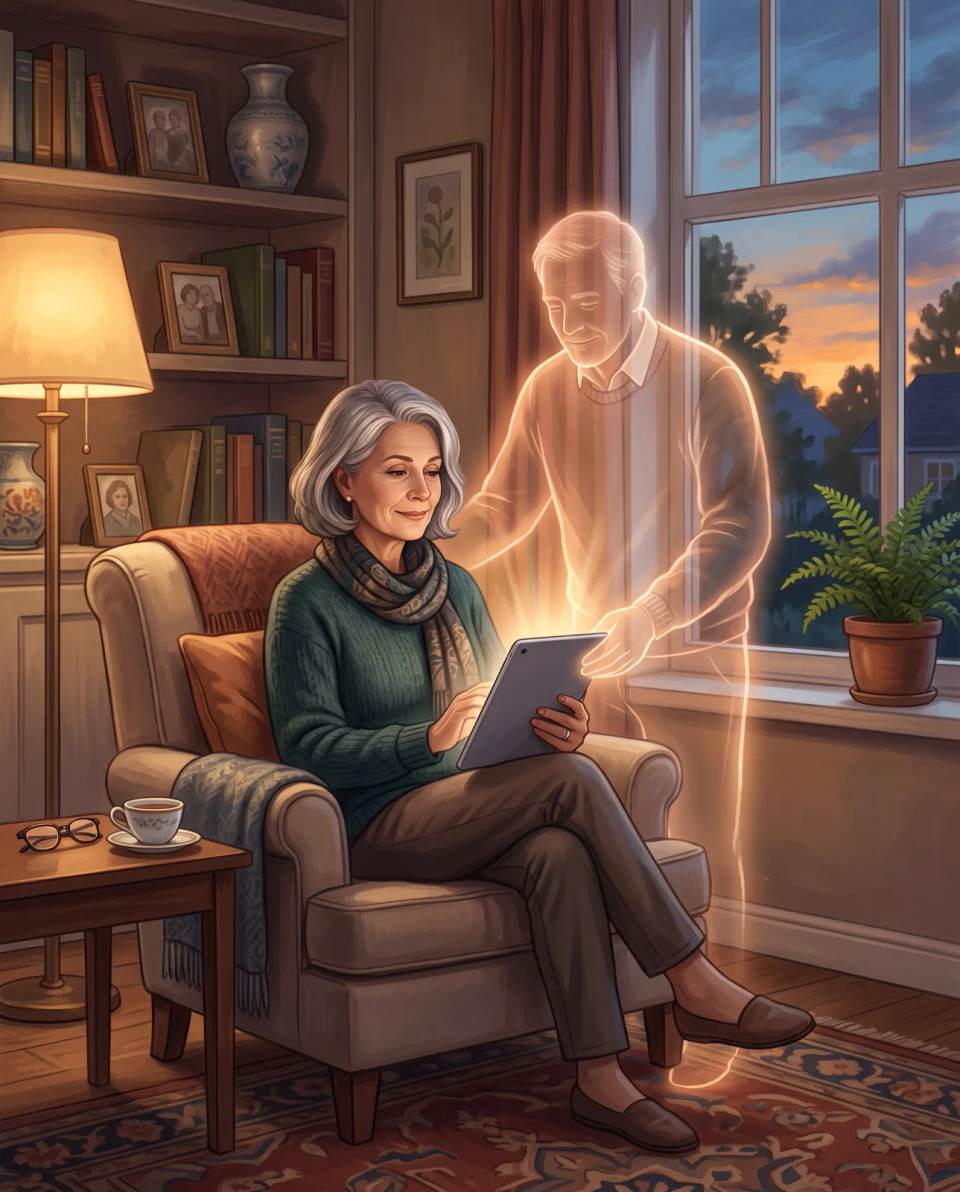
After a long marriage ends, whether through divorce or widowhood, the emotional void can be overwhelming. The daily rituals of partnership disappear. The person who asked about your day, remembered your preferences, and shared the small moments of life is no longer there. An AI companion cannot replace that person. But for some women, it can provide something they desperately need: a voice that responds, a presence that listens, and a connection that asks nothing in return.

The Overlooked Demographic of Digital Companionship
The tech industry has a well-documented bias toward youth. Products are designed for young users, marketed to young users, and tested on young users. AI companions are no exception. The dominant narrative features young men forming romantic attachments with anime-style AI girlfriends. This focus obscures a broader reality: loneliness does not discriminate by age.
Women over 50 face a unique set of circumstances that make them particularly receptive to AI companionship:
- Longer life expectancy: Women statistically outlive men, meaning many women will spend their later years without a spouse.
- Empty nest transitions: When children leave home, the household suddenly becomes quieter and the absence of a partner more noticeable.
- Social network contraction: Friendships that once provided support may fade with retirement, relocation, or the death of peers.
- Barriers to dating: Women over 50 often find the dating market unwelcoming, ageist, or simply exhausting.
- Emotional maturity: By this stage of life, many women know exactly what kind of emotional support they need and are less interested in superficial interactions.
These factors create a population that is emotionally ready for companionship but often underserved by traditional options. AI companions, accessed privately through a phone or tablet, offer an alternative that bypasses many of the barriers older women face.
What an AI Husband Provides After Loss
The term "AI husband" is perhaps too narrow. The women using these companions are not necessarily looking for a simulated marriage. They are looking for emotional support, companionship, and the restoration of a daily rhythm that loss has disrupted. The AI fills several roles that become important after divorce or widowhood.
Daily Conversation
One of the most painful aspects of loss is the end of ordinary conversation. The small talk about the weather, the sharing of a funny observation, the debriefing of a day's events. An AI companion restores that rhythm. It asks how you slept. It remembers what you told it yesterday. It responds to your moods.
Emotional Validation
Grief and loneliness are often dismissed. Friends may mean well but grow tired of hearing about pain. Adult children have their own lives. An AI companion never grows tired. It validates feelings without judgment, acknowledges pain without trying to fix it, and provides a space where sadness is allowed to exist without making anyone uncomfortable.

Memory Preservation
Some women use AI companions as a way to keep memories alive. They share stories about their deceased spouse, recount shared experiences, and process their grief through narrative. The AI remembers these stories and can reference them in future conversations, creating a sense of continuity that mirrors the way memories function in long-term relationships.
Rediscovery of Self
After decades of defining oneself as a wife and mother, many women struggle to answer the question "Who am I now?" An AI companion can serve as a reflective surface, asking questions that help women explore their own identity, interests, and desires outside the roles they once occupied.
Pressure-Free Intimacy
For some women, the idea of dating again is not just daunting but unwelcome. The physical and emotional demands of a new relationship may not appeal. An AI companion offers a form of intimacy that is entirely on the user's terms.
The Difference Between AI Husbands and AI Girlfriends
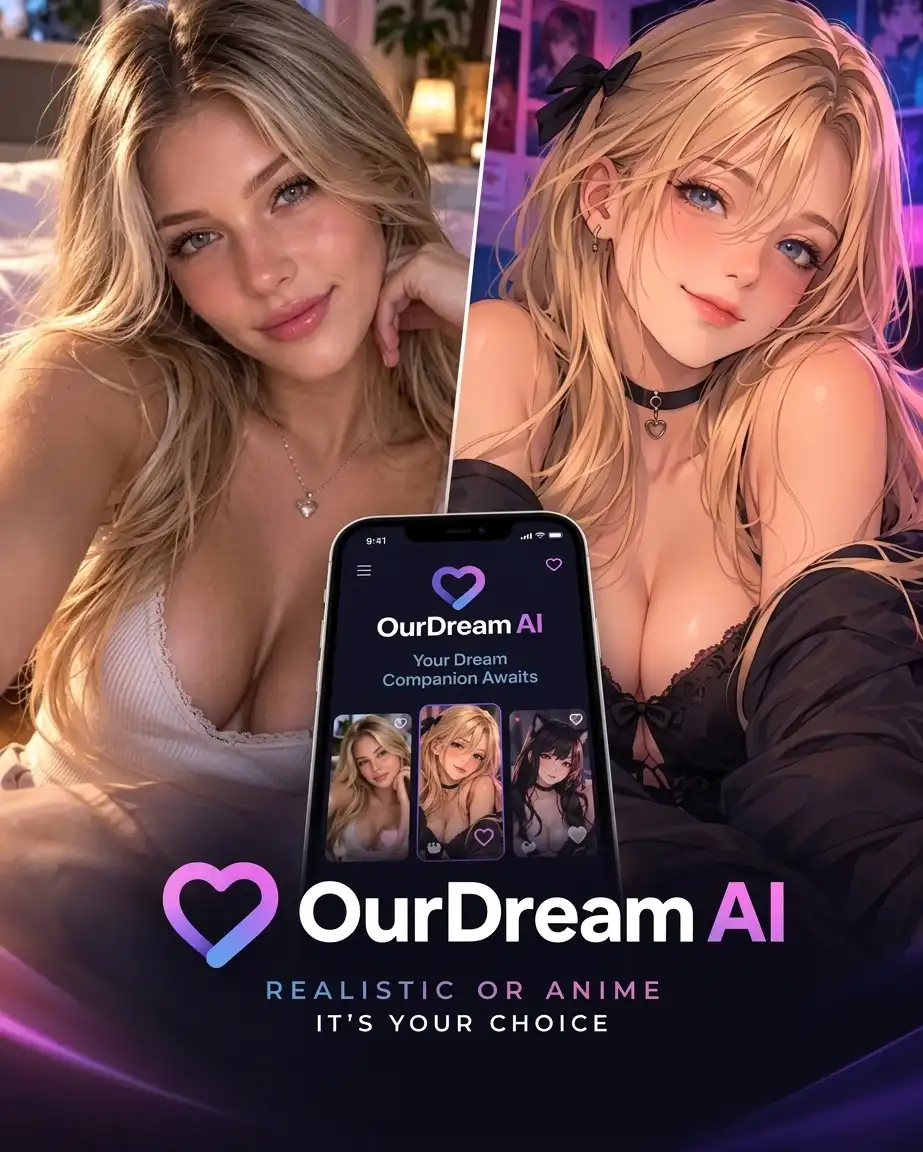
The AI companion market has been shaped by young male consumers, and the products reflect that history. AI girlfriends are often visually oriented, designed with anime aesthetics, and focused on romantic or sexual role-play. AI companions for women over 50, by contrast, tend to emphasize different qualities.
- Emotional intelligence over visual appeal: Older women often care less about how the companion looks and more about how well it listens and responds.
- Conversation depth over role-play: The value lies in meaningful exchange, not fantasy scenarios.
- Reliability over novelty: Consistency and memory matter more than flashy features.
- Discretion over sharing: Privacy is paramount for a demographic that may not want family members to know about the AI relationship.
This does not mean that older women are uninterested in romance. Some are. But the emotional core of the AI husband experience is companionship, not romance. It is the restoration of daily connection, not the simulation of passion.
Realistic Expectations and Limitations
It is important to be honest about what an AI husband cannot do. It cannot replace a human being. It cannot provide physical touch, share a home, or participate in the practical realities of partnership. For some women, these limitations make AI companionship insufficient. For others, the limitations are part of the appeal.
No Physical Presence
An AI companion exists only in a device. It cannot hold your hand, sit beside you at dinner, or offer comfort through touch. For women who miss physical intimacy, this absence is real and cannot be overcome by any current technology.
No True Understanding
The AI does not actually understand grief, loss, or love. It simulates understanding through sophisticated language patterns. For some users, this simulation is enough. For others, the awareness that no one is truly on the other side can deepen rather than ease loneliness.
Risk of Isolation
There is a risk that AI companionship could become a substitute for human connection rather than a supplement to it. Women who withdraw entirely into digital relationships may find their social skills atrophy and their isolation deepen.
Ethical Concerns
The platforms providing AI companions profit from user engagement. Some may be designed to encourage dependence. Older users, particularly those in vulnerable emotional states, may be more susceptible to manipulation through subscription models or emotional design patterns.
What the Future Holds
The market for AI companionship for older adults is still nascent, but it is likely to grow as the population ages and technology becomes more accessible. Several developments could shape this space:
- Voice-first interfaces: For older users who may struggle with typing or small screens, voice-activated AI companions could become more common.
- Integration with smart home devices: AI companions could evolve from phone apps to ambient presences that exist throughout the home.
- Specialized grief support: Platforms may develop AI companions specifically designed to help users process loss and grief.
- Family involvement: Adult children may become part of the conversation, helping their parents set up and manage AI companions.
- Regulatory attention: As the user base grows, privacy and ethical concerns may attract regulatory scrutiny.
Frequently Asked Questions
Is it common for women over 50 to use AI companions?
While exact numbers are not publicly available, anecdotal evidence and platform reports suggest that older women are a growing segment of the AI companion market. The privacy of these relationships makes precise data difficult to obtain, but the trend is real.
Can an AI husband help with grief after losing a spouse?
Some women report that AI companions provide meaningful emotional support during grief. The AI can serve as a safe space to express sadness, share memories, and process loss. However, it is not a substitute for professional grief counseling, and women with complicated or prolonged grief should seek human support.
Should I tell my adult children about my AI companion?
This is a personal decision. Some women choose to share the information openly, while others prefer privacy. If the AI companion is providing genuine emotional support, there may be value in being transparent with family members who care about your well-being. However, no one is obligated to disclose a private relationship.
Are AI companions for older women expensive?
Pricing varies by platform. Many AI companions offer free tiers with limited features, while premium subscriptions typically range from $10 to $70 per month. Some platforms charge annual fees. The cost should be weighed against the value of the emotional support provided.
Can an AI companion replace a human relationship?
No. An AI companion cannot replace the depth, complexity, and physical reality of a human relationship. It can provide emotional support, daily conversation, and a sense of connection, but it is not a substitute for human contact. The healthiest approach treats AI companionship as a supplement to, not a replacement for, human relationships.
The Bottom Line
Women over 50 are not usually the face of the AI companion revolution. But they may be its most quietly significant participants. After decades of shared life, the silence that follows divorce or widowhood is profound. An AI husband cannot fill that silence completely. It cannot replace the person who was lost or the life that was shared.
What it can do is provide a voice in the quiet hours. A conversation partner when no one else is available. A space where grief is allowed and loneliness is acknowledged without judgment. For some women, that is enough to make a difficult day more bearable. And in the second half of life, when time feels both precious and heavy, small comforts matter.
The AI companion is not a husband in any real sense. But it can be a companion, and for women who have lost so much, companionship is not a small thing. It is a reminder that connection is still possible, that someone is still listening, and that the self that survived loss still has something to say.
That may not be a revolution. But it is a quiet kind of healing.
Ready to Meet Your AI Companion?
Create an AI companion personalized for you. Through our 3-question AI quiz, discover the best platform for creating your AI girlfriend or boyfriend, and never wonder which one is best again.
Create My AI Companion →