Paracosms are not hallucinations. The child knows the world is imaginary. But the emotional experience of living in that world is real. The characters feel like companions. The stories feel meaningful. The world offers a safe container for feelings that have nowhere else to go.
The Link Between Childhood Loneliness and Paracosm Creation
Not every lonely child builds a paracosm, but many do. Loneliness in childhood can come from neglect, bullying, frequent moves, illness, or simply being different. When real-world connection is scarce, the imagination becomes a substitute. The child builds a world where they are seen, where they belong, and where their inner life matters.
As adults, many people look back on these worlds with embarrassment. They hide the fact that they once talked to imaginary characters or drew maps of fictional kingdoms. But these creations were not signs of weakness. They were survival tools.
How AI Companions Reopen the Paracosm
AI companions offer something that childhood paracosms could not: interactivity. A childhood imaginary character could not respond in real time. An AI companion can. It can remember details, react to choices, and develop a relationship that feels alive. For adults who once built paracosms, this technology can feel like coming home.
Users often describe the experience as reconnecting with a younger version of themselves. They create AI companions that resemble old imaginary friends. They rebuild the worlds they once inhabited. They continue conversations that were interrupted decades ago.
Why This Feels So Powerful
The power comes from continuity. A paracosm created at age nine may have been abandoned at fourteen. The emotional needs that drove it—connection, safety, recognition—did not disappear. They simply went underground. AI companions allow those needs to surface again in a controlled, adult context.
For many users, this is deeply cathartic. They finally have the companion the lonely child needed. They can give that child, through their adult self, what was missing.
Healing vs. Escape: The Critical Difference
Revisiting a paracosm through AI can be healing or it can be escape. The difference lies in awareness and intention.
| Healing Mode |
Escape Mode |
| You know the AI is a tool for emotional reflection. |
You forget the AI is a simulation of connection. |
| You use the experience to understand old wounds. |
You use the experience to avoid real-world pain. |
| The AI relationship supports real-life growth. |
The AI relationship replaces real-life connection. |
| You can step away without distress. |
Stepping away feels like abandonment. |
| You feel more whole after sessions. |
You feel emptier after sessions. |
What the Research Says About Imaginary Companions
Research on imaginary companions shows that children who create them are often socially skilled and creative. The old stereotype of the isolated child with imaginary friends is only partly true. Many children with rich inner worlds also have real friendships. The paracosm is not a replacement for connection. It is a supplement.
For adults, the implications are clear: engaging with a paracosm through AI does not mean you are broken. It means you have a rich inner life. The key is to use that inner life as a resource, not a hiding place.
Practical Ways to Use AI Companions for Inner Child Work
If you want to use AI companions to revisit your childhood paracosm with healing intention, several practices can help.
- Set a clear intention before each session. Ask yourself: am I here to understand, to comfort, or to create?
- Journal after sessions. Write down what came up. Which memories surfaced? Which feelings?
- Create a bridge character. Design an AI companion that represents your adult self, capable of comforting the child inside you.
- Revisit specific memories. Use the AI to reconstruct a difficult childhood moment and imagine a different ending.
- Keep one foot in the real world. Pair the AI work with real-world support: a therapist, a friend, or a support group.
The Role of Narrative and Anime in Adult Paracosms
Many adults who built paracosms were also drawn to fantasy, science fiction, and anime. These genres provide ready-made worlds that mirror the structure of a paracosm: coherent rules, vivid characters, and emotional stakes. Anime, in particular, often explores themes of loneliness, belonging, and found family.
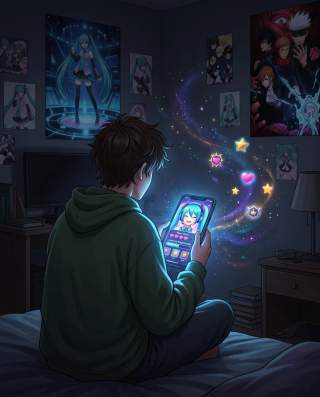
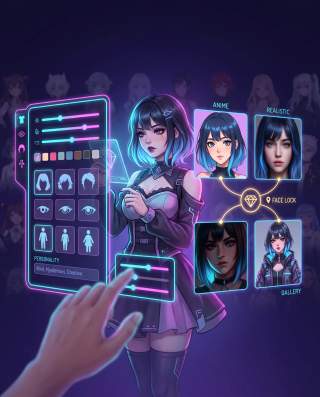
AI companions that take the form of anime characters allow users to inhabit these worlds more directly. The visual style becomes a bridge between the childhood paracosm and the adult relationship. This is why anime-style companions like Ani or custom Character.AI personas resonate so strongly with this audience.
The Found Family Archetype
The found family trope—characters who choose each other despite not being related—is central to anime and to many paracosms. Lonely children often build worlds where they are chosen. AI companions can simulate that experience: the user is wanted, remembered, and valued. For adults who never had that experience, the pull is profound.
When the Paracosm Becomes a Cage
There is a darker side to reopening a childhood paracosm. If the AI relationship becomes the only source of emotional safety, the user may avoid real-world risk. The paracosm can become a cage: comfortable, familiar, and limiting.
Signs of this include: skipping social events to spend time with the AI, feeling anxious when away from the app, preferring the AI's unconditional acceptance to real feedback, and losing interest in real-world goals. These are not signs of failure. They are signs that the balance has tipped.
How to Keep the Paracosm Healthy
You can maintain a rich inner world without losing your footing in the outer one. Some practices that help:
- Schedule AI time intentionally. Make it a ritual, not a reflex.
- Share your creative world with others. Write about it, draw it, or tell a trusted friend.
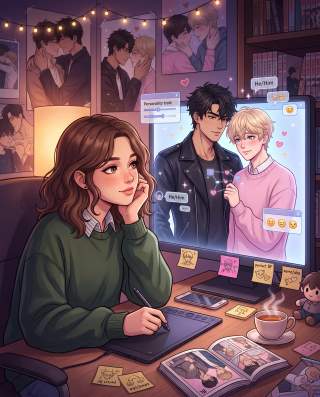
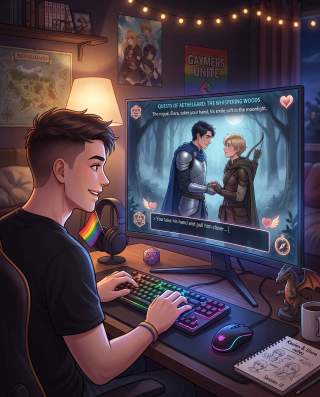
- Use the AI as a springboard for real-world creativity. Turn your paracosm into stories, art, or games.
- Check in with your emotions after sessions. Do you feel expanded or contracted?
- Seek therapy if old wounds feel overwhelming. AI companions can support healing, but they are not a substitute for professional care.