AI Anime Character Creation: Advanced 2026 Guide
Quick answer
Explore advanced techniques for creating authentic anime characters using artificial intelligence, from visual conception to narrative development.
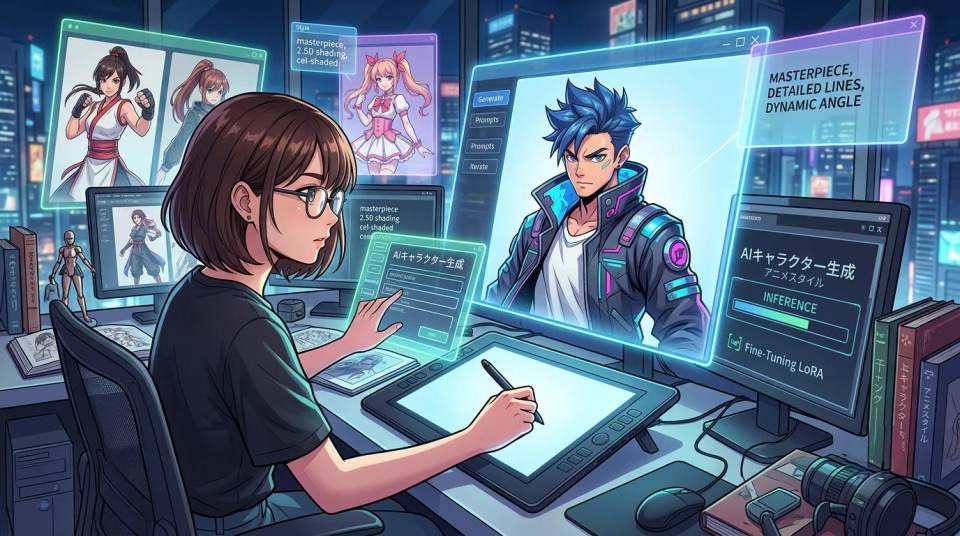
The Aesthetic Revolution: How Artificial Intelligence is Redefining Anime Character Creation
The intersection of human creativity and generative computer graphics has opened unprecedented doors for virtual worldbuilders, independent artists, and otaku culture enthusiasts. Today, anime character creation with artificial intelligence has evolved from a mere technological novelty into an essential pillar for producing immersive visual narratives and highly customized designs.
In this in-depth technical and editorial guide, we will explore the mechanisms of visual prompt engineering, the preservation of style consistency (such as Moé aesthetics and 2.5D tracing), underlying diffusion models, and the ethics behind artistic co-creation in cybernetic and traditional fantasy universes.
Fundamentals of Visual Prompt Engineering for Anime Aesthetics
Success in generating captivating characters through neural networks depends not on luck, but on a systematic understanding of how models interpret syntactic weights, stylistic references, and spatial relationships. When discussing Japanese animation, algorithms must be fed with tokens that go beyond simple physical descriptions, incorporating nuances of volumetric lighting, limited color palettes, and characteristic strokes from renowned studios.
To build a memorable character, the creator must act as a digital art director. This means structuring the prompt in logical layers:
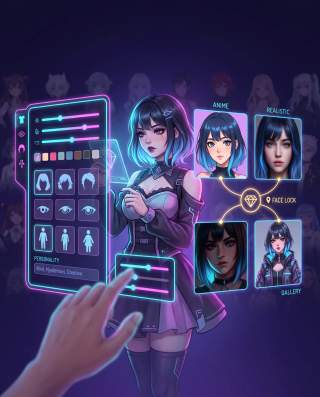
- Subject and Anatomy Layer: Precise definition of facial features, body proportions (such as classic expressive stylized eyes), dynamic hairstyles, and subtle emotional expressions.
- Stylistic Layer: Specification of animation eras (90s cel-shaded, clean modern digital, or experimental aesthetics), use of dramatic cel-shading or soft shading.
- Atmosphere and Setting Layer: Integration of the character into a coherent environmental context, whether a rainy cyberpunk metropolis or a classical fantasy sanctuary.
The Role of Style Modifiers and Specialized Tags
Unlike models focused on realistic photography, generators geared toward two-dimensional and stylized three-dimensional illustration respond strongly to specific technical vocabulary. The use of terms like "masterpiece," "detailed lines," "dynamic angle," and references to specific manga proportions helps guide the neural network to avoid anatomical deformations common in early generations.
Additionally, control over the negative prompt is vital. Excluding unwanted artifacts such as "extra limbs," "bad anatomy," "lowres," and "blurry" ensures the final result retains the sharpness and visual cleanliness demanded by the digital comic and animation market.
Maintaining Character Consistency: Technical Challenges and Solutions
One of the biggest bottlenecks faced by content creators and writers using AI is visual consistency. How can you ensure that the same cybernetic heroine or hero maintains their physical traits, clothing, and visual identity across dozens of distinct scenes in an AI-generated comic book or manga?
The answer lies in combining advanced tools for model training and spatial control methodologies:
- Fine-tuning and LoRA (Low-Rank Adaptation) Models: Creating custom weights trained on top of a cohesive dataset of a single character allows locking in unique traits, scars, accessories, and color palettes.
- Use of ControlNets and OpenPose: Tools that allow extracting posture skeletons and depth maps from reference images, ensuring the generated character repeats the exact desired pose without losing their base physiognomy.
- Textual Inversion: A lightweight method to teach the network to recognize a new visual concept—whether a type of futuristic armor or a specific protagonist face—through dedicated tokens.
These techniques transform the image generator from a creative roulette wheel into a predictable, scalable production studio, allowing artists to focus on plot development and lore building.
The Psychology of Character Design: Building Emotional Connection
In the ecosystem of AI companionship and fantasy narratives, a character's visual appearance acts as the first bridge to user empathy. Design is not merely aesthetic; it instantly communicates the personality, background, and internal conflicts of the synthetic individual or avatar.
Classic elements of otaku culture, such as the visual archetype associated with gentleness (Moé) or the imposing nature of a determined shonen protagonist, are decoded by the human brain almost instantly. By using artificial intelligence to rapidly iterate over dozens of design variations, the creator can test different emotional reactions before locking in their virtual companion's definitive identity.
Integrating expressive visual traits with intelligent dialogue systems enhances the sense of presence, creating a cycle where visual aesthetics reinforce the credibility of the simulated personality.
The Future of Artistic Co-Creation in Global Communities
The continuous evolution of multimodal models indicates that the future of anime character creation will move toward native integration among text, image, and real-time animation. Creators will no longer need to switch between different software programs to conceive, animate, and voice their private universes.
With cheaper computational power and refined user-experience interfaces, the technical barrier to bringing complex creative visions to life continues to plummet. The human creator's role evolves from technical executor to conceptual architect—someone whose artistic vision and narrative sensitivity steer the immense calculation force of machines toward genuinely innovative and captivating aesthetic expressions.
Ready to Meet Your AI Companion?
Create an AI companion personalized for you. Through our 3-question AI quiz, discover the best platform for creating your AI girlfriend or boyfriend, and never wonder which one is best again.
Create My AI Companion →